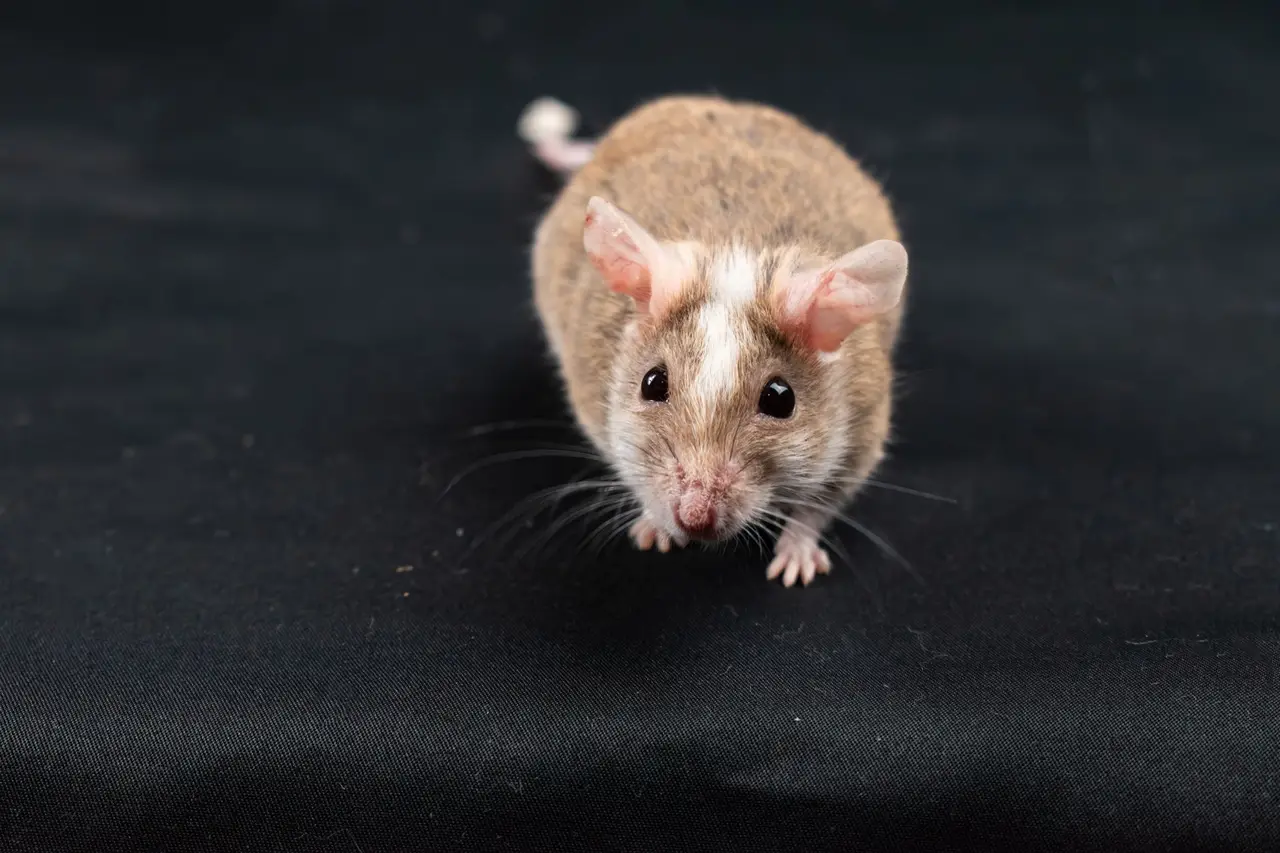
Why do rats keep coming back to my Fort Lee home
Rats return to Fort Lee homes when entry points, food sources, and shelter stay untouched. Here is why the problem comes back and how to stop it permanently.

Rats keep coming back to your Fort Lee home because the conditions that brought them in were never removed - gaps stay open, food stays accessible, and the harborage behind walls or under decks stays dry and quiet. Trapping or poisoning the rats you see does nothing to the ones still outside waiting for the same opening. This post breaks down exactly why the problem returns in Fort Lee, what attracts rats here in the first place, and the steps that actually keep them out for good.
The real reason rats keep coming back to your Fort Lee home
Why do rats keep coming back to my Fort Lee home is really a question about entry points, not about rats. A Norway rat needs a gap the size of a quarter to squeeze into a building, and a house mouse needs a hole the size of a dime. If those gaps exist, every rat you remove is replaced by the next one within days.
Rats are territorial and follow scent trails left by the rats before them. Once a wall void, crawl space, or garage corner has been used as a nest, the urine and pheromone markers stay behind. New rats find that trail and move straight in. Killing the current population without sealing the structure is why the Fort Lee rat problem recurring is so common - you are treating a symptom, not the cause.
Rodent control in Fort Lee is the work of removing the current rats and then physically closing the building so new ones cannot follow the same path. That second half is what most DIY attempts skip, and it is the half that decides whether you see rats again next month.
Why rats return to Fort Lee homes after extermination
Rats return after extermination in Fort Lee when the treatment stops at the rats and never reaches the structure. We see this constantly - a homeowner sets traps, catches four or five rats over two weeks, sees nothing for a month, and then hears scratching in the ceiling again in early spring.
Three things cause that cycle:
- Open entry points. A 1/4-inch gap under a garage door, a torn vent screen, or a gap around a plumbing line is an open door. New rats walk in the same night.
- Surviving rats. A single breeding pair can produce 6 to 12 pups per litter, and a female can have 4 to 6 litters a year. Miss two rats and you have a new infestation in 60 to 90 days.
- Untouched harborage. Rats nest in insulation, cardboard, and old furniture stored in basements and garages. Leave the nest material and the next rats reuse it.
Professional Rodent Removal Fort Lee NJ addresses all three at once - trap out the active population, remove the nesting material, and seal the structure so the next rat has nowhere to go.
What attracts rats to Fort Lee homes
What attracts rats to Fort Lee homes is almost always one of four things: food, water, shelter, or warmth. Rats are opportunists. They go where the cost of living is lowest and the calories are easiest.
Food sources you probably overlook
Bird feeders are the number one attractant we find in Fort Lee backyards. A single feeder drops 2 to 4 pounds of seed on the ground each month, and rats clean it up at night. Pet food left out overnight, unsealed trash in a garage, and compost piles within 20 feet of the house all do the same thing.
Water and shelter
Rats need about 1 ounce of water a day. A dripping hose bib, a clogged gutter that pools water against the foundation, or a slow leak under the kitchen sink is enough. For shelter, they look for woodpiles, dense ivy, stacked cardboard in a garage, and the void between a deck and the ground.
If you are dealing with a rat infestation in Fort Lee, New Jersey, walk your property at dusk with a flashlight. You will usually spot the food source within five minutes.
How Fort Lee's buildings and weather keep the problem alive
Fort Lee's building stock and its position along the Hudson make it a rat-friendly city, and that is not a knock on the town - it is just the reality of dense housing, older infrastructure, and a river corridor.
Most of the housing in Rodent Control in Downtown Fort Lee sits in mid-rise buildings and older two- and three-family homes built between the 1920s and the 1970s. Those buildings have original cast-iron drain lines, unsealed pipe penetrations, and shared wall voids that connect units. A rat in one unit is a rat in the whole building.
Up in Rodent Control in The Heights, the mix of single-family homes, steep lots, and retaining walls creates perfect harborage. Stone retaining walls are essentially rat highways - they run behind them, nest in the voids, and pop out at the foundation.
Then there is the weather. Fort Lee gets roughly 47 inches of rain a year and winter lows that regularly drop into the low 20s. When the first cold snap hits in late November, rats move from outdoor burrows into wall voids and basements. When spring rain floods the burrows in March and April, they move again - often into the same homes they left in the fall.
How to stop rats from coming back in Fort Lee
How to stop rats from coming back in Fort Lee comes down to three phases: exclude, eliminate, and maintain. Skip any one of them and the cycle restarts.
1. Seal the building (exclusion)
Walk the exterior and seal every gap 1/4 inch or larger. The usual suspects:
- Gaps under garage and entry doors - install door sweeps with a rubber seal.
- Torn vent screens on dryer, bathroom, and attic vents - replace with 1/4-inch hardware cloth, not plastic mesh.
- Pipe penetrations at the foundation - pack with copper mesh and seal with mortar or expanding foam rated for pest exclusion.
- Cracks in the foundation and gaps around utility meters - same treatment.
- Roof line gaps and soffit damage - rats climb, and a 2-inch gap at the roofline is an open door.
This is the step that actually solves the problem. Professional Rodent Exclusion Fort Lee NJ uses materials rats cannot chew through - copper mesh, steel wool, hardware cloth, and concrete - because foam alone will not stop a determined Norway rat.
2. Remove the current population
Trapping is more reliable than bait inside a home because a rat that dies in a wall void creates a smell problem that can last 3 to 6 weeks. We use snap traps and, where appropriate, exterior bait stations placed away from the structure. Expect 7 to 14 days to clear an active indoor population.
3. Cut off food and water
Seal trash in metal or heavy plastic bins with locking lids. Store pet food in sealed containers, not the bag. Take bird feeders down for 30 days if you have an active problem. Fix dripping outdoor faucets and clear gutters so water does not pool at the foundation.
4. Maintain
Re-inspect the exterior every fall before the cold drives rats indoors. A 20-minute walk-around in October prevents most of the November and December calls we get.
Common mistakes that keep the Fort Lee rat problem recurring
The recurring rodent issue in Fort Lee almost always traces back to one of these mistakes.
- Using bait only. Bait kills rats but does nothing about the next group waiting outside. Without exclusion, you are on a subscription you did not sign up for.
- Sealing with spray foam alone. Rats chew through foam in a single night. Foam is a gap filler, not a barrier.
- Ignoring the attic and roofline. Most homeowners check the basement and stop there. Rats frequently enter at the roof and work down through wall voids.
- Leaving the nest material. Pull out the insulation, cardboard, and shredded paper. If you leave it, the next rat moves right in.
- Treating one unit in a multi-family building. In a Fort Lee two- or three-family, rats travel shared voids. If only one unit is treated, the problem returns from the neighbors' side.
- Waiting until you see a rat. By the time you see one during the day, the population is usually 10 to 20 animals. Rats are nocturnal and avoid people when numbers are low.
When to call a professional
Call a professional when you have seen a rat during daylight, heard scratching in walls or ceilings for more than three nights, or found droppings in more than one room. Those three signs mean the population is established, not passing through.
Also call if you have already trapped rats and they came back within 60 days. That pattern means the entry points were never sealed, and repeating the same treatment will produce the same result.
Our team at Rodent Control Pros handles the full job - inspection, trapping, exclusion work, and a follow-up check - so you are not chasing the same problem every season. We work across Fort Lee, from the high-rises near the George Washington Bridge to the single-family homes up on the western ridge.
Frequently Asked Questions
Why do rats keep coming back to my Fort Lee home?
Because the entry points and food sources that brought them in are still there. Rats follow scent trails from previous infestations, and a gap the size of a quarter is enough for a Norway rat to enter. Removing rats without sealing the building guarantees they return within 30 to 90 days.
How do I stop rats from returning in Fort Lee NJ?
Seal every exterior gap 1/4 inch or larger with copper mesh, hardware cloth, or concrete, remove nesting material, and cut off food and water. Then re-inspect each October before cold weather drives rats indoors. Exclusion is the step that ends the cycle - traps alone do not.
What attracts rats to Fort Lee homes?
Bird feeders, pet food left out overnight, unsealed trash, compost piles, dripping outdoor faucets, and dense ground cover or woodpiles against the foundation. Rats need about 1 ounce of water a day and a quiet, dry place to nest. Remove those and the property stops being attractive.
Do rats come back after rodent control in Fort Lee?
Not if the exclusion work was done properly. When we seal entry points with chew-proof materials and remove the harborage, the building is closed to new rats. If only trapping or baiting was done, expect the problem to return within 60 to 90 days.
How do I rodent-proof my Fort Lee home?
Focus on the exterior: door sweeps on all garage and entry doors, 1/4-inch hardware cloth on every vent, copper mesh packed around pipe penetrations, and cracks in the foundation sealed with mortar. Check the roofline too - rats climb. A full exterior seal usually takes 3 to 6 hours on a typical Fort Lee home.
Get help with Rodent Control in Fort Lee
If rats keep finding their way back into your Fort Lee home, the fix is a full exclusion job, not another box of traps. We inspect the building, seal it, clear the current population, and check back to confirm the problem is gone.
Call Rodent Control Pros at 1234567890 to schedule an inspection. We serve all of Fort Lee, including Downtown, The Heights, and the neighborhoods along the Palisades.