Focused arrival windows
Useful updates and clear arrival timing.
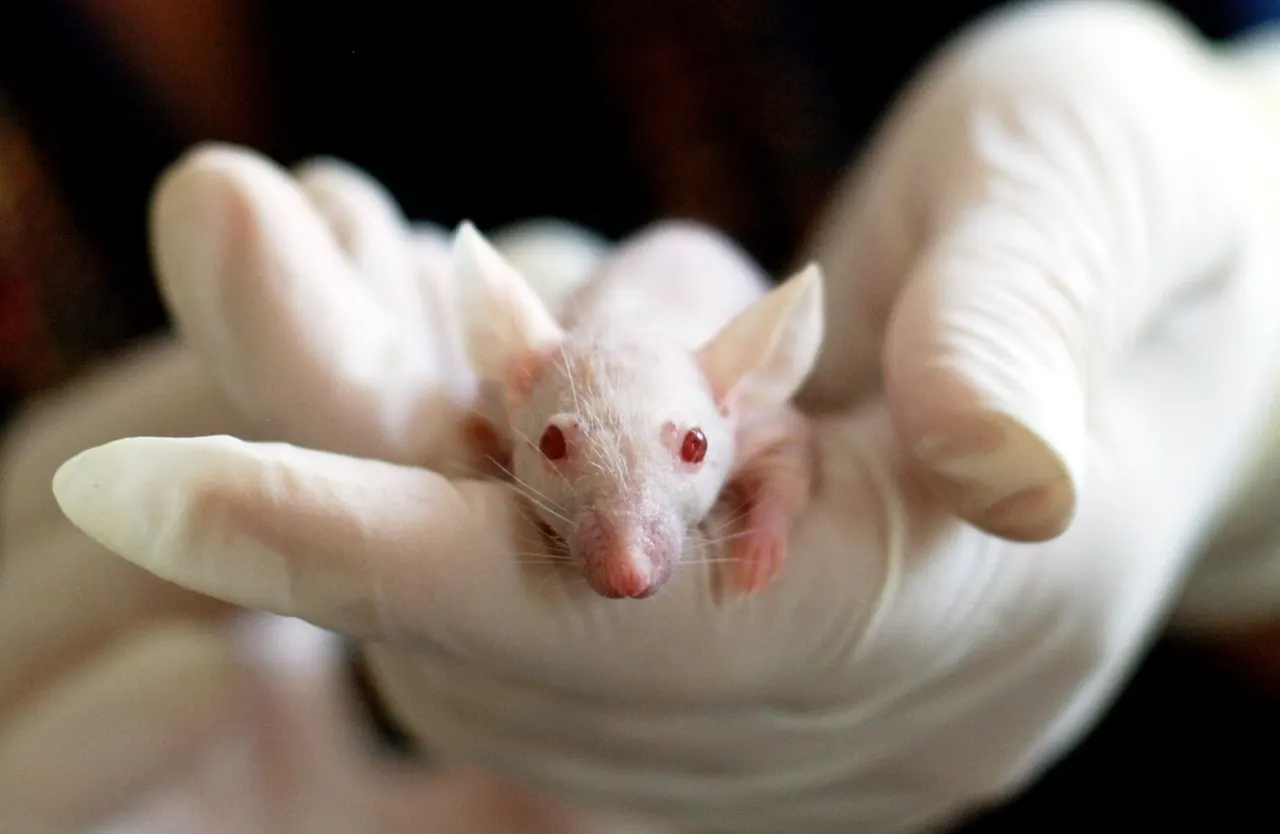
Rodent Exclusion Fort Lee NJ is the permanent fix for a problem most homeowners keep patching. We inspect every inch of your foundation, roofline, and utility penetrations, then seal the gaps mice and rats squeeze through. If you have heard scratching in the walls or found droppings under the sink, we close the doors they came in through. One visit, done right.
Useful updates and clear arrival timing.
Review the approach and price before deciding.
Equipped vehicles and respectful cleanup.
Neighbors serving neighbors with follow-through.
Every exclusion job includes a full inspection, written entry-point report, sealing work, and warranty. Removal of rodents already inside is included when needed. Ongoing bait station monitoring is a separate service if you want it.
We inspect the foundation, sill plate, rim joists, attic, crawlspace, garage, and every utility penetration. We photograph each opening and note its size and material. This inspection is what makes the sealing work accurate instead of guesswork.
You get a documented list of every opening we found, with photos and locations. This is your reference for future years. If a new gap appears, we compare against the original report and know exactly what changed.
We pack copper mesh and steel wool into small gaps, secure hardware cloth over larger openings, and seal with caulk and foam sealant. These materials resist gnawing far better than spray foam alone, which mice chew through in a single night.
Garage doors, exterior doors, and crawlspace vents are common entry points. We install door sweeps and vent covers rated for rodent exclusion. These are the details most companies skip, and they are often where re-infestation starts.
If rodents are still inside after sealing, we set snap traps, glue boards, and live catch traps in safe locations. We check them on a set schedule and pull them once activity stops. Bait stations are used only where children and pets cannot reach.
Every sealed point is covered by our written warranty. If rodents chew through a point we sealed during the warranty period, we return and re-seal it at no charge. You get the warranty in writing before we leave.
Share what is happening and receive a clear next step from the local team.
Rodent exclusion is the work of physically blocking every entry point a mouse or rat can use to get inside your home. A house mouse fits through a gap the width of a pencil, and a Norway rat needs only a quarter. We inspect the foundation sill, rim joists, crawlspace vents, dryer and plumbing penetrations, roof returns, and garage door corners. Then we pack those openings with copper mesh, steel wool, hardware cloth, and foam sealant, and finish with door sweeps and vent covers where they belong. It is not baiting. It is construction.
Fort Lee sits tight against the Palisades, and that geography matters. Older brick and frame homes in the 07024 ZIP see steady rodent pressure every fall when overnight temperatures drop into the 30s and rats move toward warm foundations. Newer mid-rises along the Hudson push rodents into adjacent residential blocks. If you have searched rodent proofing near me Fort Lee and gotten thin answers, you already know most companies just drop bait and leave. We seal the structure so the next rodent has nowhere to enter.
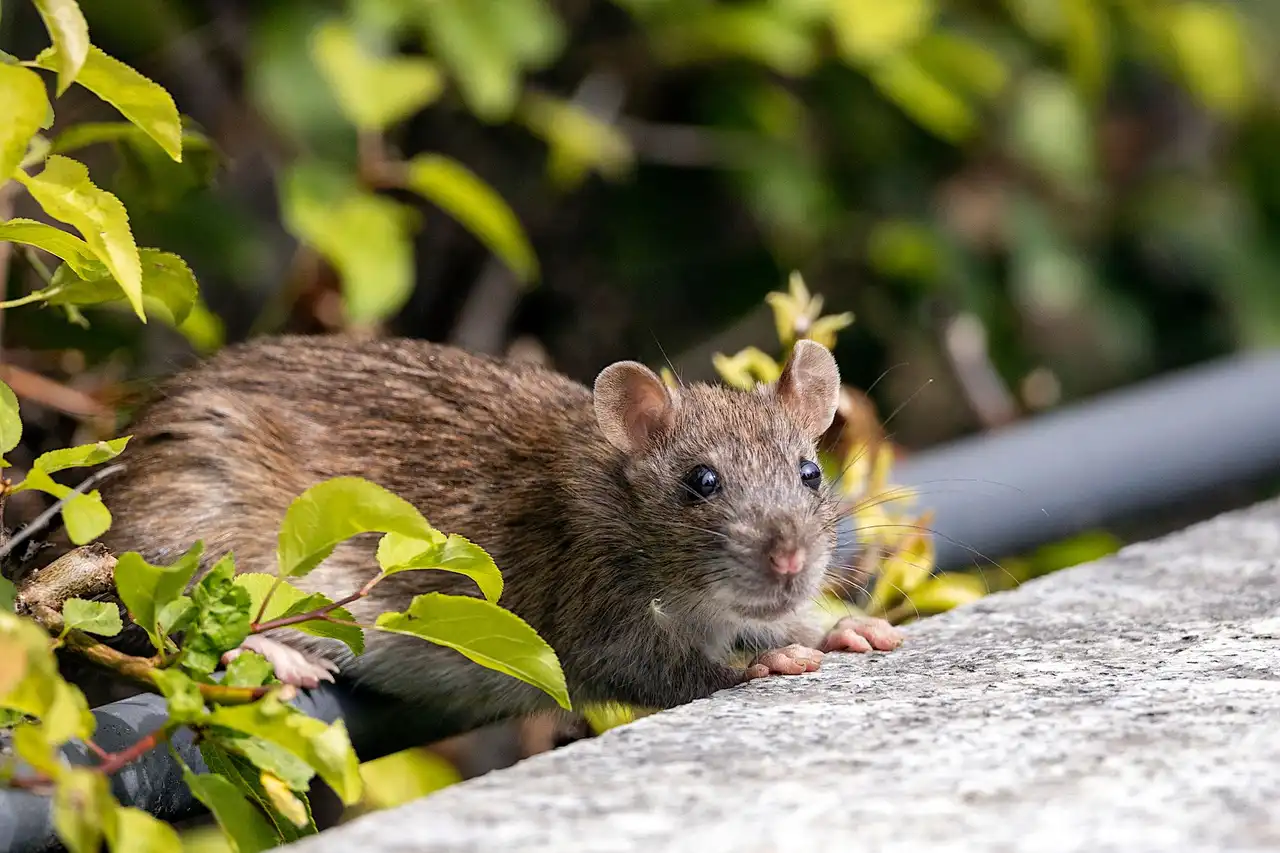
We walk the exterior and interior with a flashlight and inspection mirror, checking the foundation line, sill plate, rim joists, attic, crawlspace, and every utility penetration. We also look for rodent droppings, rub marks, and gnaw damage to confirm active traffic. A typical single-family inspection takes 45 to 75 minutes.
We photograph and mark each opening and note its size, location, and material. You get a written list before we start sealing. Most Fort Lee homes show 8 to 20 entry points, and the biggest offenders are usually at the garage sill, dryer vent, and where the AC lines enter the foundation.
We pack copper mesh and steel wool into gaps, secure hardware cloth over larger openings, seal with caulk and foam sealant, and install door sweeps and vent covers where needed. This is the core of rodent proofing Fort Lee NJ work. Sealing a typical home takes three to five hours depending on access.
If rodents are still inside, we set snap traps, glue boards, and live catch traps in safe locations away from kids and pets. We check them on a set schedule, usually within 3 to 5 days, and pull them once activity stops. Bait stations with rodenticide bait blocks are used only where children and pets cannot reach them.
We re-inspect every sealed point, confirm no new droppings or gnaw marks, and walk you through what we did. You get a written summary and a warranty on the exclusion work. If rodents chew back through a sealed point within the warranty window, we return and re-seal it at no charge.
Packed into small gaps around pipes, wires, and sill plates. Mice and rats cannot chew through copper mesh, and it holds its shape inside the opening for years.
Used alongside copper mesh in irregular gaps. Steel wool fills voids and adds a second gnaw-resistant layer. We replace it during annual inspections if it has compressed or rusted.
Stapled or screwed over larger openings like crawlspace vents, foundation gaps, and roofline returns. We use 1/4-inch mesh, which is small enough to block mice.
Seals the perimeter of hardware cloth and fills narrow cracks. Foam sealant alone is not enough, so we always pair it with copper mesh or steel wool behind it.
The mirror lets us see behind appliances and into wall voids. The UV blacklight reveals rodent urine trails that are invisible under normal light, which helps confirm active traffic.
Used inside after sealing to clear rodents already in the structure. We place them in safe, out-of-reach locations and check them on a set schedule until activity stops.
Locked stations using Contrac or FirstStrike bait blocks, placed only where children and pets cannot reach. We use these when trapping alone will not clear a heavy infestation.
We seal the structure before we set a single trap. This prevents new rodents from entering while we clear the ones already inside. It is the opposite of how most pest companies work, and it is why our customers stop having repeat problems.
Every opening is photographed, measured, and logged before we seal it. You get the report. This gives us a baseline for future inspections and gives you proof of what was done if you ever sell the home.
We never rely on a single material. Copper mesh goes in first, steel wool fills the gaps around it, and hardware cloth covers the opening. Foam sealant and caulk finish the edges. This stacking is what makes the seal hold.
We return 3 to 5 days after sealing to check traps and re-inspect the sealed points. If we find new gnaw marks or fresh droppings, we know a point failed and we fix it before closing the job.
We inspect the foundation and sill plate for the fall entry points rodents use when they move indoors. We seal those openings with copper mesh and steel wool, then set traps inside to clear the animals already in the walls. The work usually takes one visit plus a follow-up check. The scratching stops within a week, and the same entry points stay sealed through the winter. Most customers do not hear rodents again the following fall.
We run a full exclusion inspection and document every opening we find. If the home is clean, you get a report showing what is sealed and what to watch. If we find entry points, we seal them before you move furniture in. This is the easiest time to do exclusion work. You move in knowing the structure is sealed. No surprises three months later when the first cold snap pushes rodents indoors.
Recurring catches mean the entry points were never sealed. We do a full inspection, seal every opening with copper mesh, hardware cloth, and door sweeps, and clear the current population. This is the job that breaks the cycle. Trap catches drop to zero within two weeks and stay there. Most customers cancel their monthly pest service after the exclusion work is verified.
We inspect each unit and the shared walls, seal entry points in common areas, and coordinate with tenants for access. We document everything in writing so you have a record for your files. Bait stations are placed only in locked, tenant-inaccessible locations. Tenant complaints drop, and you have documentation showing the building was properly sealed. This protects you if a future tenant raises a habitability concern.
Fort Lee's building stock splits into two categories, and each one has its own exclusion challenges. The older brick and frame homes in Downtown Fort Lee and along the Palisades have original sill plates, unsealed crawlspaces, and utility penetrations that were never properly closed. We see a lot of gaps at the rim joist and where the AC lines enter the foundation. Newer townhomes and mid-rises in The Heights tend to have tighter envelopes but shared walls, which means rodents move between units through the garage sill and common utility chases. Fall is our busiest season because overnight temperatures drop into the 30s and rodents move toward warm foundations. Winter keeps them inside. Spring brings a second wave as they move back out and new litters start. If you are looking for rodent exclusion and removal Fort Lee, we handle both in the same visit. We work in the 07024 ZIP and the surrounding Bergen County area, and we know which materials hold up against Fort Lee's freeze-thaw cycles.
Older brick and frame homes with original sill plates and crawlspaces. Most jobs here involve sealing rim joists and utility penetrations that have been open for decades.
Mix of single-family homes and newer townhomes. Shared walls and attached garages mean rodents move between units, so we seal common utility chases as well as individual entry points.
Residential blocks with mature trees and older homes. Roof returns and attic vents are common entry points here because tree branches give rodents direct roof access.
Mixed residential and commercial buildings. We see rodent pressure from adjacent restaurants and shops, which pushes rats toward residential foundations.
Foam sealant and caulk expand and contract with Fort Lee's winter temperature swings. After two or three seasons, small cracks open. We use copper mesh and hardware cloth behind the sealant so even if the outer layer cracks, the gnaw-resistant barrier stays intact.
Homes built before 1950 often have gaps at the sill plate that were never sealed. Mice find these within days. We pack copper mesh and steel wool into the gap and seal over it with mortar-safe caulk.
Rodents move between units through shared utility chases and garage sills. Sealing only your unit does not solve the problem. We inspect and seal common areas when the building owner authorizes it, which stops the back-and-forth movement.
When overnight temperatures hit the 30s, rodents move toward warm foundations. This is when most Fort Lee homeowners first hear scratching. Sealing before the cold snap is the best prevention, but we can also seal during active season and clear the animals already inside.
A homeowner in Downtown Fort Lee had mice in the kitchen for two straight winters. The previous company set snap traps every month and caught two or three each time. Droppings kept appearing under the sink and in the pantry, and the homeowner was ready to move.
We inspected the full exterior and found 14 entry points, including the dryer vent, garage sill, and a gap behind the kitchen cabinets. We sealed all 14 with copper mesh, steel wool, and hardware cloth, then set traps inside. Trap catches dropped to zero in 11 days. No droppings in eight months.
Maintenance: We schedule an annual inspection each September before the fall push. The homeowner checks the sealed points visually twice a year and calls us if anything looks cracked.
A homeowner in The Heights heard scratching in the wall above the master bedroom every night for three weeks. They had not seen a mouse, but the noise was getting louder. An electrician had flagged chewed wiring in the attic during a separate visit.
We found the entry point where the AC line enters the foundation, plus six other gaps at the roofline and garage. We sealed all seven points and set snap traps in the attic. The scratching stopped in three days. We documented the chewed wiring so the electrician could repair it.
Maintenance: The homeowner now walks the exterior each spring and fall looking for new gaps. We re-inspect every 12 months and replace any compressed steel wool.
A townhome owner near Lemoine Avenue had rats in the garage every fall for four years. Traps caught two or three each season, but new ones kept coming. The garage smelled of urine, and stored boxes were chewed.
We found the shared garage sill gap and a utility chase connecting to the neighboring unit. We sealed both with hardware cloth and copper mesh, installed a door sweep, and set bait stations in locked locations. No rats caught in the last 14 months. The urine odor faded in about three weeks.
Maintenance: The homeowner coordinates with the neighbor for an annual shared-wall inspection. We check the door sweep and hardware cloth each visit and replace anything worn.
Most Fort Lee rodent calls come down to the same handful of problems. Here is what we see and how we fix it.
Rodents active inside wall cavities mean an active infestation, not a one-time visitor. Left alone, they breed, chew wiring, and contaminate insulation with droppings and urine. We locate the entry point they are using, seal it, and set snap traps and glue boards inside the cavity to clear the animals already there. Most customers hear silence within 3 to 5 days of the sealing work.
Rodent droppings in food areas mean contaminated food and a real health risk. Rodent-borne diseases spread through droppings and urine, and the problem gets worse every week it is ignored. We inspect the kitchen perimeter, seal gaps behind cabinets and under the sink, and remove the current population with snap traps. We also flag any contaminated food so you know what to discard.
Chewed wires are a fire risk. Mice gnaw on Romex insulation constantly, and the damage is often hidden until an electrician finds it. This is the most expensive rodent problem we see in Fort Lee. We seal the attic and crawlspace entry points with copper mesh and hardware cloth, then document any chewed wiring we find so your electrician can repair it. Exclusion stops new damage from starting.
Rodent urine odor means rodents are living in the space. The smell gets into stored items, and the underlying infestation keeps producing more urine until the animals are removed and the entry is sealed. We remove the current population, seal the entry points they used, and let the space dry out. Most customers notice the odor fading within two to three weeks. We can recommend an odor treatment if it lingers.
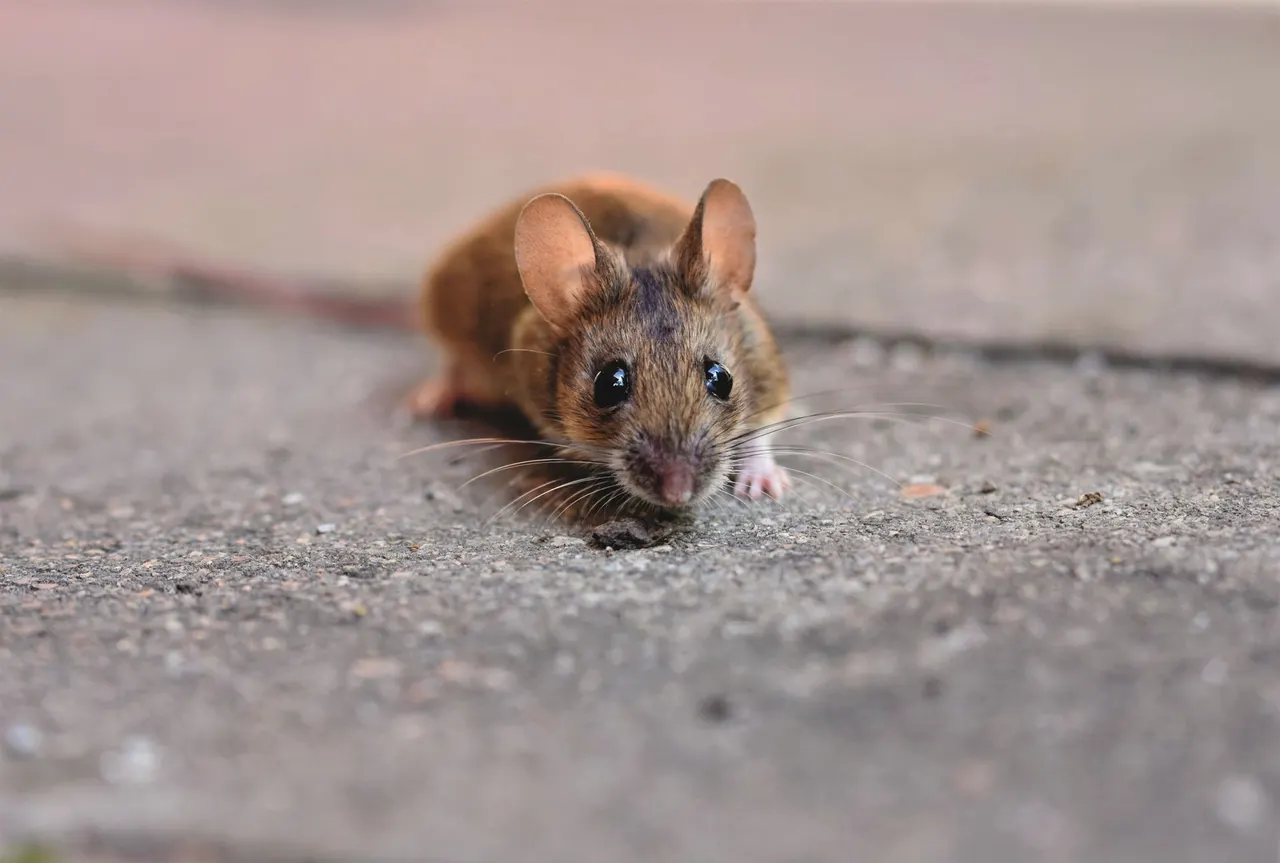
Our technicians hold NJ Pest Control Licenses and NJ DEP Pesticide Applicator Certifications, and we work under EPA Certified and OSHA Safety Compliance standards on every job. We are NPMA members and QualityPro Certified, which means our paperwork, safety practices, and treatment methods meet national standards. We have sealed hundreds of homes across Bergen County, from 1920s brick colonials near the George Washington Bridge approach to newer townhomes off Lemoine Avenue. We know which materials hold up against Fort Lee's freeze-thaw cycles and which ones fail within a season.
Rodent exclusion in Fort Lee NJ is the process of sealing every gap, crack, and opening a mouse or rat can use to enter your home. It uses copper mesh, steel wool, hardware cloth, caulk, and foam sealant instead of bait. The goal is to make your structure physically impossible for rodents to re-enter. It is a permanent fix, not a recurring treatment.
Typical 2026 pricing for rodent proofing in Fort Lee runs $350 to $1,200 depending on how many entry points we find and how difficult they are to access. A simple garage sill and dryer vent job sits at the low end. Crawlspace and roofline work pushes higher. We give you the number before we start sealing, and the inspection fee is credited toward the job.
Yes. Our exclusion work carries a written warranty covering the sealed entry points. If rodents chew through a point we sealed during the warranty period, we return and re-seal it at no charge. The warranty does not cover new openings created by later construction, settling, or storm damage, but we will always tell you what we find.
Properly installed exclusion work lasts 5 to 10 years in most Fort Lee homes. Copper mesh and hardware cloth do not degrade. Foam sealant and caulk can crack over time from freeze-thaw cycles, so we recommend an annual inspection to catch small failures before rodents find them. We can schedule that yearly check for you.
Not seeing your question? Our local team can help you understand urgency, scheduling and what to expect.
Ask the local team
Exclusion seals the building, but rodents already inside still need to come out. Our rodent removal service uses snap traps, glue boards, and live catch traps to clear the current population. We pair removal with exclusion on most Fort Lee jobs so you get both the cleanup and the permanent seal.
View service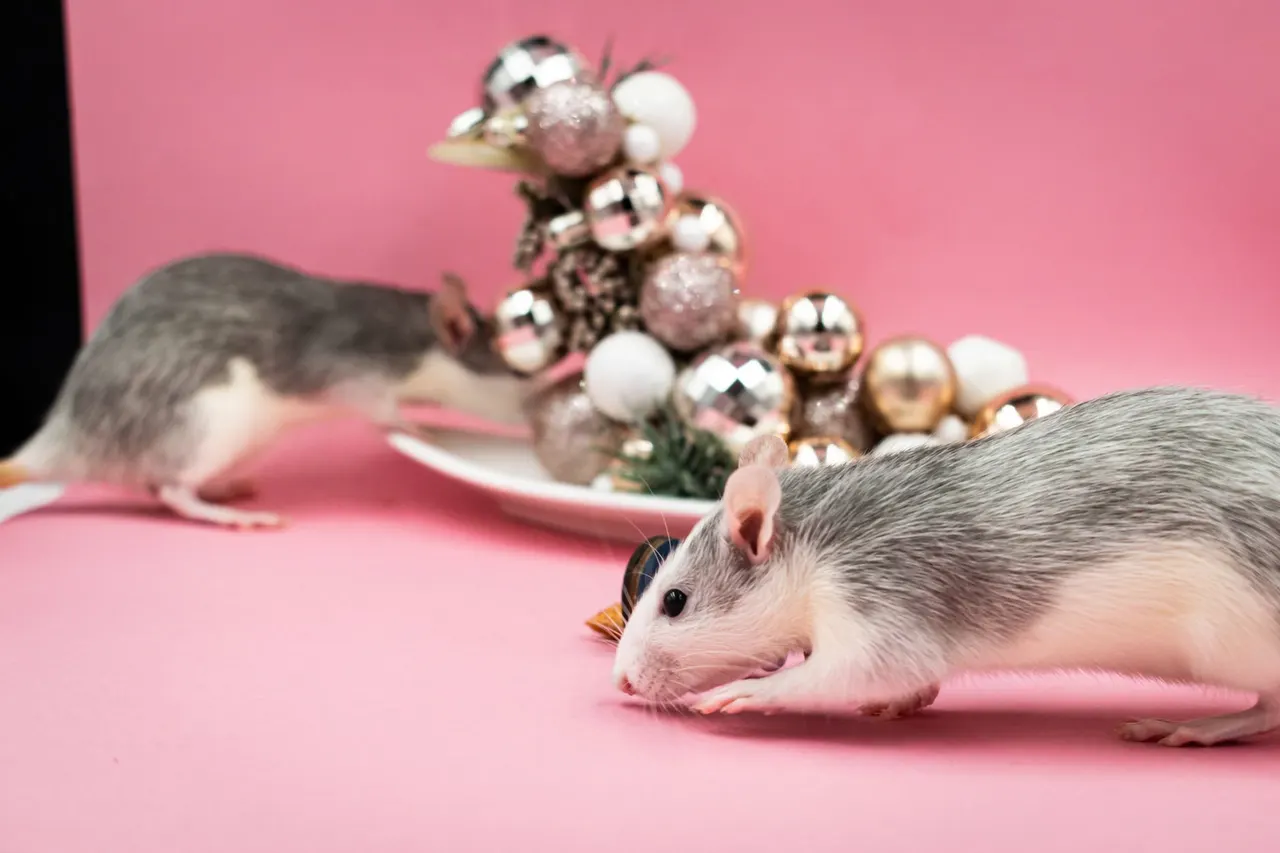
Rodent proofing is the material side of exclusion: copper mesh, steel wool, hardware cloth, door sweeps, and vent covers installed at every opening. If you already had exclusion done elsewhere and gaps have opened since, we can re-proof those points without redoing the whole job.
View service
Rats need bigger openings than mice and leave different signs. Our rat control service targets Norway and roof rats with bait stations, snap traps, and Contrac and FirstStrike rodenticide where legal. We combine it with exclusion so the rats you remove cannot be replaced by new ones.
View service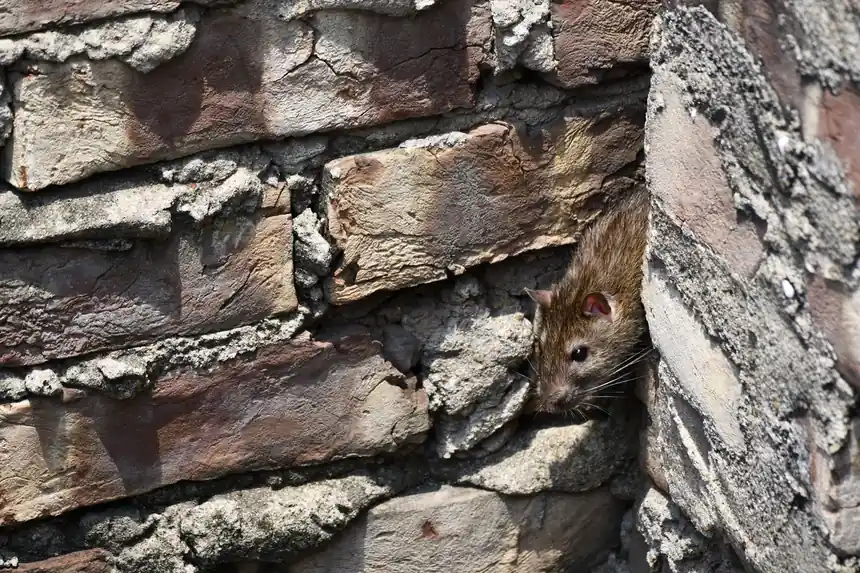
Call us any time, day or night, and a real person picks up. We book same-day appointments for most of Fort Lee and can usually give you an arrival window within a couple of hours. If you prefer, send an email and we will get back to you the same business day.