Focused arrival windows
Useful updates and clear arrival timing.
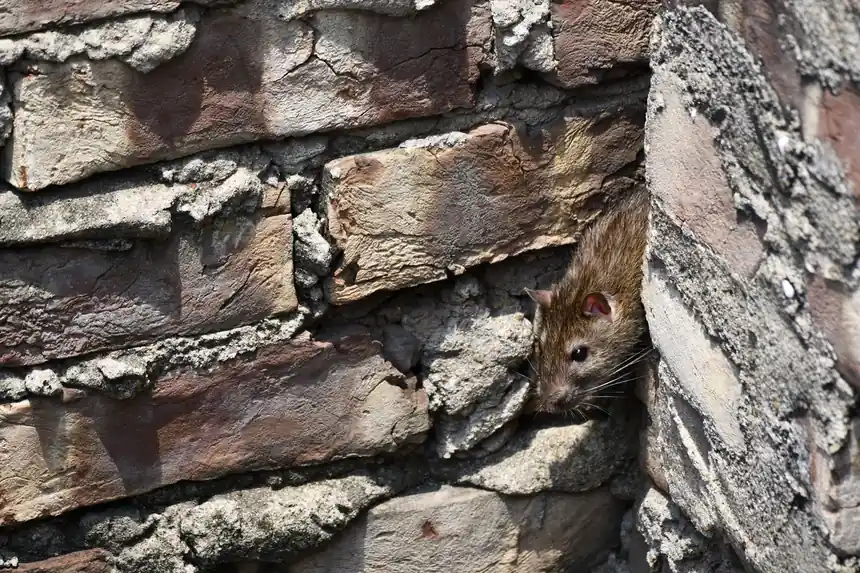
Rodent Control in Downtown Fort Lee means getting rats and mice out of your walls, basement and storefront before they chew another wire. We run same-day calls across the Main Street District, Palisade Avenue Corridor and Hudson Terrace, seal the entry points we find, and set bait stations where kids and pets cannot reach them. Licensed in New Jersey, insured, and working Bergen County buildings every week.
Useful updates and clear arrival timing.
Review the approach and price before deciding.
Equipped vehicles and respectful cleanup.
Neighbors serving neighbors with follow-through.
Rodent Control in Downtown Fort Lee is the work of getting rats and mice out of high-density apartments, mixed-use buildings and older houses packed between the George Washington Bridge and the Palisade cliffs. We serve the Main Street District, the Palisade Avenue Corridor, Hudson Terrace, Linwood Park and Coytesville, and we know what a 07024 rodent problem actually looks like: droppings behind a restaurant prep line, scratching in a condo ceiling at 2 a.m., a chewed wire behind a wall outlet. Our technicians carry snap traps, glue boards, live catch traps and locked bait stations, plus copper mesh, steel wool and hardware cloth for sealing. We inspect with a flashlight and an inspection mirror, find the entry points, and close them. Then we set a control program you can actually maintain. If you searched for the best Rodent Control Downtown Fort Lee NJ has working buildings every week, that is the standard we hold ourselves to.
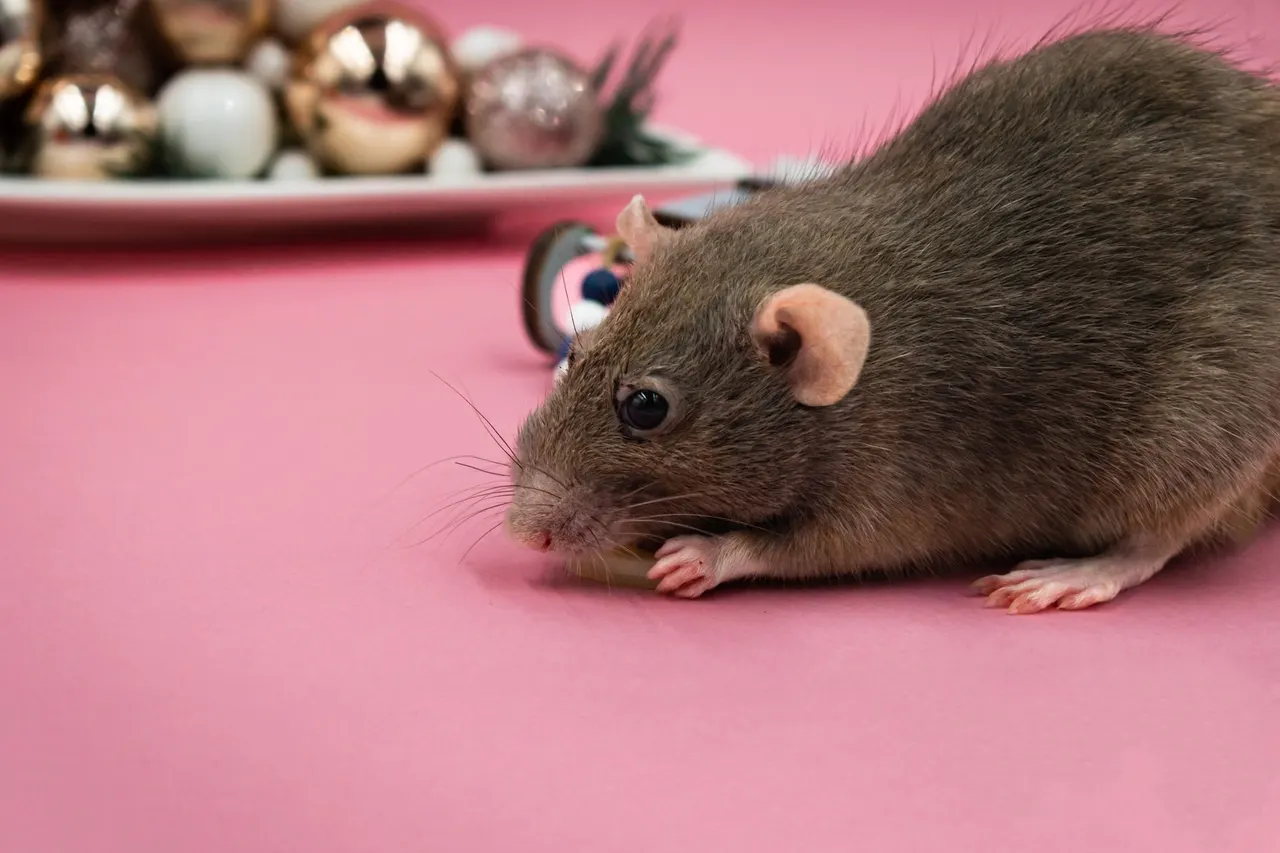
Every building in Downtown Fort Lee has its own rodent pressure points, so we match the service to the structure instead of running one script. A Main Street restaurant needs different work than a Hudson Terrace high-rise or a single-family house near Linwood Park. If you have been searching for Rodent Control near me Downtown Fort Lee NJ and want a straight answer on what your building needs, we will tell you after we walk it.
We remove rats and mice from Downtown Fort Lee apartments, restaurants and houses, then clear the nesting material and droppings. Technicians use snap traps, glue boards and live catch traps placed along the wall lines rodents actually travel. In mixed-use buildings on the Palisade Avenue Corridor we work unit by unit so we do not miss the shared chase that connects them.
View service →02Exclusion is the permanent fix, and it matters most in the older housing stock around Coytesville and Linwood Park. We seal gaps with copper mesh, steel wool, hardware cloth and foam sealant, then fit door sweeps and vent covers where rodents squeeze through. On Downtown Fort Lee storefronts we close the gaps behind counters and utility penetrations that get missed on a quick walkthrough.
View service →03Proofing keeps a treated building from getting reinfested. We install exclusion mesh, seal pipe chases, and set locked bait stations with keys so building staff can check them between visits. For Downtown Fort Lee condos and rentals we document what was sealed and where, which helps property managers show tenants the work was done right.
View service →04Norway rats move through Downtown Fort Lee basements, trash rooms and restaurant grease areas. We run a rat-specific program using rodenticide bait blocks in tamper-resistant stations, tracking powder to map runways, and follow-up visits until activity stops. Buildings near the George Washington Bridge approach and Main Street Business District get checked more often because the traffic corridors keep pressure on.
View service →Downtown Fort Lee is dense, so access is the first thing we plan. A Hudson Terrace high-rise may need a freight elevator reserved and a certificate of insurance on file before we touch a trash room. A Main Street restaurant needs us in before service or after close. A house near Linwood Park just needs a driveway spot. We schedule around all of it. Once inside, we inspect with a flashlight and inspection mirror, mark entry points, and set the control program. Winter drives mice into heated basements and wall voids; summer pushes rats toward outdoor trash and grease. We adjust bait stations and trap placement by season, not by habit. If you need emergency Rodent Control Downtown Fort Lee residents can call at any hour, we keep after-hours slots open for active infestations, chewed wiring and restaurant shutdowns.
A single gap in a basement or trash room can feed rodents into an entire stack of units, so treating one apartment rarely solves it. We have to trace the chase and the utility penetrations that connect floors. We map the building's vertical chases and seal the shared penetrations with copper mesh and hardware cloth, then set bait stations in the basement and compactor rooms. Property managers get a written record of what was sealed so the next tenant complaint does not start from zero.
Main Street District kitchens produce food waste every night, and rats learn the schedule fast. Dumpster areas and grease traps become feeding stations, which keeps pressure on the whole block. We place tamper-resistant bait stations around dumpster pads and service corridors, then work with the owner on trash timing and lid discipline. Follow-up visits confirm activity has dropped before we pull the stations.
Houses around Coytesville and Linwood Park often have stone foundations, original sill plates and gaps around old plumbing. Those openings are exactly where mice get in once the weather turns cold. We seal with copper mesh, steel wool and caulk, then fit door sweeps and vent covers where needed. The goal is to close the building envelope so the traps are catching what is already inside, not a fresh supply coming through the wall.
Rodenticide use in New Jersey must be handled by a certified applicator working under State of New Jersey Department of Environmental Protection rules. That shapes how we place bait blocks and what we can use in occupied buildings.
Restaurants on Main Street and the Palisade Avenue Corridor are inspected on rodent activity, droppings and sanitation. Our documentation helps owners show an active control program is in place between inspections.
In Downtown Fort Lee rentals, rodent infestations can trigger habitability complaints. We provide written service records that landlords and property managers can hand to tenants or the town when questions come up.
Downtown Fort Lee has a specific set of conditions that keep rodent pressure high: dense housing, older buildings, heavy restaurant traffic and a climate with cold winters and humid summers. Those factors drive the same problems back year after year. Here is what we see most often and how we handle it.
Downtown Fort Lee's condo and apartment buildings share plumbing chases, utility penetrations and trash rooms. A single unsealed gap in a basement can give mice access to every floor above it, so the problem shows up in units that never had rodents before. We trace the chase from the basement up, seal the penetrations with hardware cloth and copper mesh, and set bait stations in the shared areas. Property managers get a written record so the fix is documented for the next tenant.
Main Street District restaurants produce food waste every night, and rats learn the schedule. Grease traps, unsecured dumpsters and service corridors become reliable food sources, which keeps the population steady even when one building treats its interior. We install tamper-resistant bait stations around the dumpster pad and service corridor, then work with the owner on trash timing and lid discipline. Follow-up visits confirm the activity has dropped before we reduce service.
Houses around Coytesville and Linwood Park often have stone foundations, original sill plates and gaps around old plumbing. When the temperature drops, mice move inside through those openings looking for warmth and food. We seal the foundation gaps with copper mesh, steel wool and caulk, then fit door sweeps and vent covers. The goal is to close the envelope so the traps catch what is already inside instead of a fresh supply coming through the wall.
Buildings close to the George Washington Bridge approach see constant foot traffic, deliveries and trash movement. Loading docks and utility rooms stay open longer, which gives rodents more chances to get inside. We focus on the loading dock, compactor room and utility areas first, sealing gaps and setting stations where rodents actually travel. Scheduled service keeps the pressure down in buildings that never fully close.

Downtown Fort Lee is small enough that we use landmarks to route our day. Fort Lee Historic Park and the George Washington Bridge approach tell us which side of town we are on and how traffic will treat us. The Fort Lee Museum and Fort Lee Public Library anchor the blocks around the Main Street Business District, where parking is tight and we plan around it. Knowing the streets around each landmark means we show up on time instead of circling.
Sits above the Hudson on the north edge of town. We use it as an orientation point when routing calls toward the Palisade Avenue Corridor and the streets below the cliffs.
The bridge approach dominates the south end of Downtown Fort Lee. We plan around its traffic patterns so morning and evening calls do not get stuck in bridge-bound backups.
Located near the Main Street area and useful as a reference point when we are scheduling storefront and upper-floor apartment work in the busiest blocks.
A familiar anchor on Main Street. We use it to confirm addresses for calls in the surrounding residential and mixed-use blocks where street parking is limited.
The main commercial strip in Downtown Fort Lee, with restaurants, retail and service businesses at street level and apartments above. Tight parking and shared trash areas are normal here.
A busy mixed-use corridor with storefronts, offices and residential buildings. Loading zones and shared utility rooms make access planning part of every job.
The main highway access through Downtown Fort Lee. We schedule around peak bridge traffic so arrival windows hold.
Street-level access along the commercial strip. We confirm parking and loading before the visit so we are not blocking a storefront.
We run routes through every part of Downtown Fort Lee, from the storefronts on Main Street to the residential blocks near Linwood Park. If you are inside 07024, we can get to you, usually the same day you call.
Restaurants, shops and upper-floor apartments share walls and trash areas here, so rodent pressure stays high. We do a lot of early-morning and after-close work so businesses do not lose a service day. Right in our core route, typically same-day response.
High-rise and mid-rise buildings along Hudson Terrace mean shared chases, compactor rooms and loading docks. Property managers here usually want scheduled service with written reports rather than one-off visits. Minutes from our Downtown Fort Lee route, same-day slots common.
Mostly houses and smaller multi-family buildings with older foundations. Mice get in through sill plates and old plumbing penetrations once the temperature drops, so exclusion work is the priority here. Short drive from the Main Street area, usually same-day.
Older housing stock and tight residential blocks close to the bridge approach. We see a lot of basement and crawlspace activity, plus rats working the outdoor trash and recycling. Quick access from the Palisade Avenue side, same-day when scheduled early.
These are the kinds of jobs we run in Downtown Fort Lee every week. Details are changed to protect customer privacy, but the problems, the work and the results are real.
A Main Street restaurant was failing its health inspection because of droppings behind the prep line and in the dry storage room. We worked after close, cleared the droppings, set snap traps and glue boards along the wall lines, and installed tamper-resistant bait stations around the dumpster pad. We sealed the gap behind the utility sink with copper mesh and caulk. Activity dropped to zero within two weeks. The restaurant passed its re-inspection and now runs a monthly service visit to stay clean.
A Hudson Terrace condo building had mice in three separate units on the same stack, with scratching in the ceilings at night. We traced the problem to an unsealed pipe chase running from the basement to the top floor. We sealed the penetrations with hardware cloth and foam sealant, then set bait stations in the basement and compactor room. No new tenant complaints in the following 90 days. The property manager added us to a quarterly service schedule.
A house near Linwood Park had rats in the basement and chewed wiring near the furnace. We removed the rats with snap traps and live catch traps, then sealed the stone foundation gaps with copper mesh and steel wool. We also fitted a door sweep on the basement entry and closed a vent opening with hardware cloth. The homeowner has had no rodent activity in the year since, and the wiring was repaired by their electrician before it caused a fire.
Downtown Fort Lee gets cold winters and humid summers, and both push rodents toward buildings. Demand for Rodent Control in Downtown Fort Lee peaks in fall and winter, but the work does not stop in spring and summer. Here is what we see each season and what you should do about it.
As the ground thaws, rodents that overwintered outdoors start moving again and looking for food. In Downtown Fort Lee, this is when we see activity pick up in garages, basements and ground-floor units near Linwood Park and Coytesville.
Heat and humidity push rats toward outdoor trash and grease areas, especially around Main Street District restaurants and the Palisade Avenue Corridor. Outdoor activity peaks, and indoor sightings often follow.
Falling temperatures drive mice and rats indoors. This is the busiest season for exclusion work in Downtown Fort Lee, because every gap in a foundation or utility wall becomes an open door.
Rodents stay active indoors all winter, nesting in wall voids, basements and compactor rooms. In high-density buildings on Hudson Terrace, a single untreated unit can keep the whole stack infested until spring.
Downtown Fort Lee is one stop on a route that covers the surrounding Bergen County area. If you are just outside 07024, we can usually still get to you, and we will tell you straight if you are outside our normal range.
Not every company that answers the phone is set up to work in Downtown Fort Lee. Dense buildings, tight parking, restaurant schedules and New Jersey pesticide rules all matter. Ask these questions before you book, and you will quickly separate a real rodent control operation from a general pest company passing through.
New Jersey requires certification to use rodenticides, and the State of New Jersey Department of Environmental Protection enforces it. An unlicensed operator can create liability for you and may not handle bait safely in an occupied building.
Traps alone remove the rodents that are inside today. Without exclusion work, new ones come through the same gaps. A company that only sets traps will have you calling again next season.
In Downtown Fort Lee, most commercial and multi-unit work has to happen before opening, after close, or in a reserved service window. A company that cannot flex its schedule will either disrupt your business or rush the job.
We use tamper-resistant bait stations with keys, and we place snap traps and glue boards where pets and children cannot reach them. Ask any company where their stations go and how they secure them.
Property managers, landlords and restaurant owners in Bergen County often need documentation for inspections or tenant complaints. A written record of what was sealed and where shows the work was done and helps the next visit start faster.
U.S. Environmental Protection Agency
National Pest Management Association
$2M general liability
Member
Member
Most residential jobs in Downtown Fort Lee run $180 to $450, and commercial or multi-unit buildings typically run $300 to $900 or more. The price depends on building size, how many entry points need sealing, and whether you want a one-time removal or an ongoing program. We give you a number before we start.
The right company is the one that seals your building, not just sets traps. Look for a licensed New Jersey applicator, written service records, and experience with shared-wall buildings and restaurant schedules. We work Downtown Fort Lee every week and can show you what we did on similar buildings nearby.
Yes. We keep same-day slots open for Downtown Fort Lee and the surrounding 07024 area, and we prioritize active infestations, chewed wiring and restaurant shutdowns. Call early in the day for the best chance at a same-day visit, and we will confirm your window before we head out.
Yes, when it is done correctly. We use tamper-resistant bait stations with keys and place snap traps and glue boards where pets and children cannot reach them. We will show you exactly where every station is and explain what to watch for, so you can keep your pets safe without giving up the treatment.
Most Downtown Fort Lee homes do well with a one-time treatment plus a follow-up two to three weeks later. Restaurants and multi-unit buildings usually need monthly or quarterly service because the pressure from shared walls and trash areas never fully stops. We will recommend a schedule based on what we find.
Not seeing your question? Our local team can help you understand urgency, scheduling and what to expect.
Ask the local teamCall us any time, day or night, and a real person picks up. We book same-day appointments for most of Fort Lee and can usually give you an arrival window within a couple of hours. If you prefer, send an email and we will get back to you the same business day.