Focused arrival windows
Useful updates and clear arrival timing.
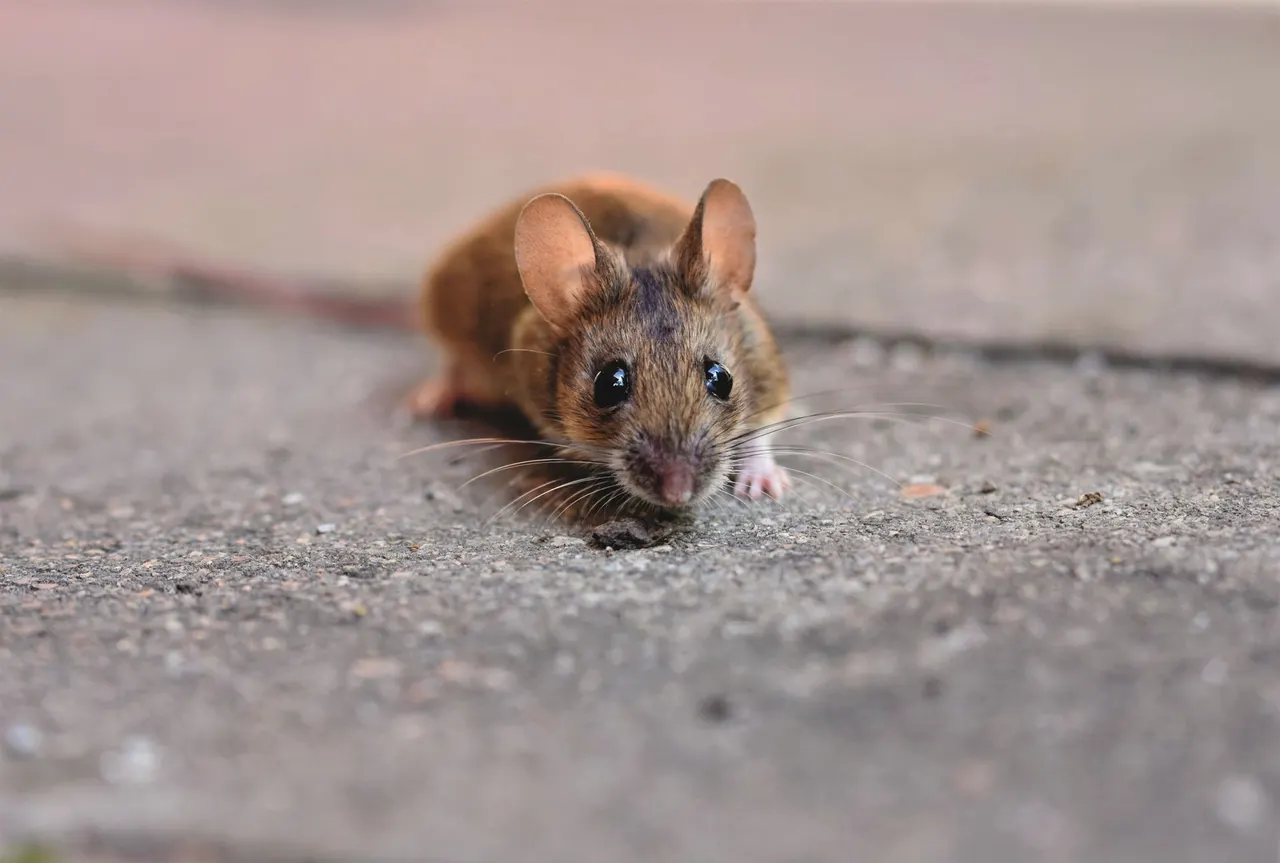
Rodent Proofing Fort Lee NJ is the permanent fix for a building that keeps getting invaded. We inspect every inch of your home or business, find the gaps rodents squeeze through, and seal them with materials rats cannot chew past. If you hear scratching in the walls or find droppings behind the stove, call us before the next litter arrives.
Useful updates and clear arrival timing.
Review the approach and price before deciding.
Equipped vehicles and respectful cleanup.
Neighbors serving neighbors with follow-through.
Every rodent proofing job starts with a full inspection and ends with a walkthrough. The list below covers what is standard. Larger buildings, crawlspaces, and heavy infestations may need additional materials or follow-up visits, which we price upfront.
We inspect the foundation, sill plate, attic, crawlspace, garage, utility penetrations, vents, and roof line. Each gap is photographed and marked on a map you keep.
Gaps get copper mesh, steel wool, hardware cloth, caulk, or foam sealant backed by metal. We do not rely on foam alone, because rodents chew through it in a single night.
Garage doors, exterior doors, dryer vents, and foundation vents are common entry points. We fit door sweeps and vent covers sized to close those openings without blocking airflow.
Any rodents still inside get removed with snap traps, glue boards, or live catch traps. Bait stations with rodenticide bait blocks are placed where children and pets cannot reach them.
We set monitoring stations at the most likely re-entry points and check them on a schedule, usually every three to seven days until activity stops. You get a written summary at the end.
Share what is happening and receive a clear next step from the local team.
Rodent proofing is the work of closing every opening a rat or mouse can use to enter a building. A mouse fits through a gap the width of a pencil, and a young rat needs only a quarter. We inspect foundations, sill plates, utility penetrations, vents, roof lines, and garage doors, then seal each opening with copper mesh, steel wool, hardware cloth, or foam sealant backed by chew-resistant material. Bait stations and snap traps go in place only after the structure is closed.
Fort Lee sits tight against the Palisades, and that rocky, wooded edge pushes rodents toward buildings when the weather turns. November starts the push indoors, and it runs through February. If you have seen droppings, heard noises in walls, or smelled rodent urine odor, your building already has an entry point. Our Fort Lee rodent proofing services close those gaps so you are not trapping the same animals every week.
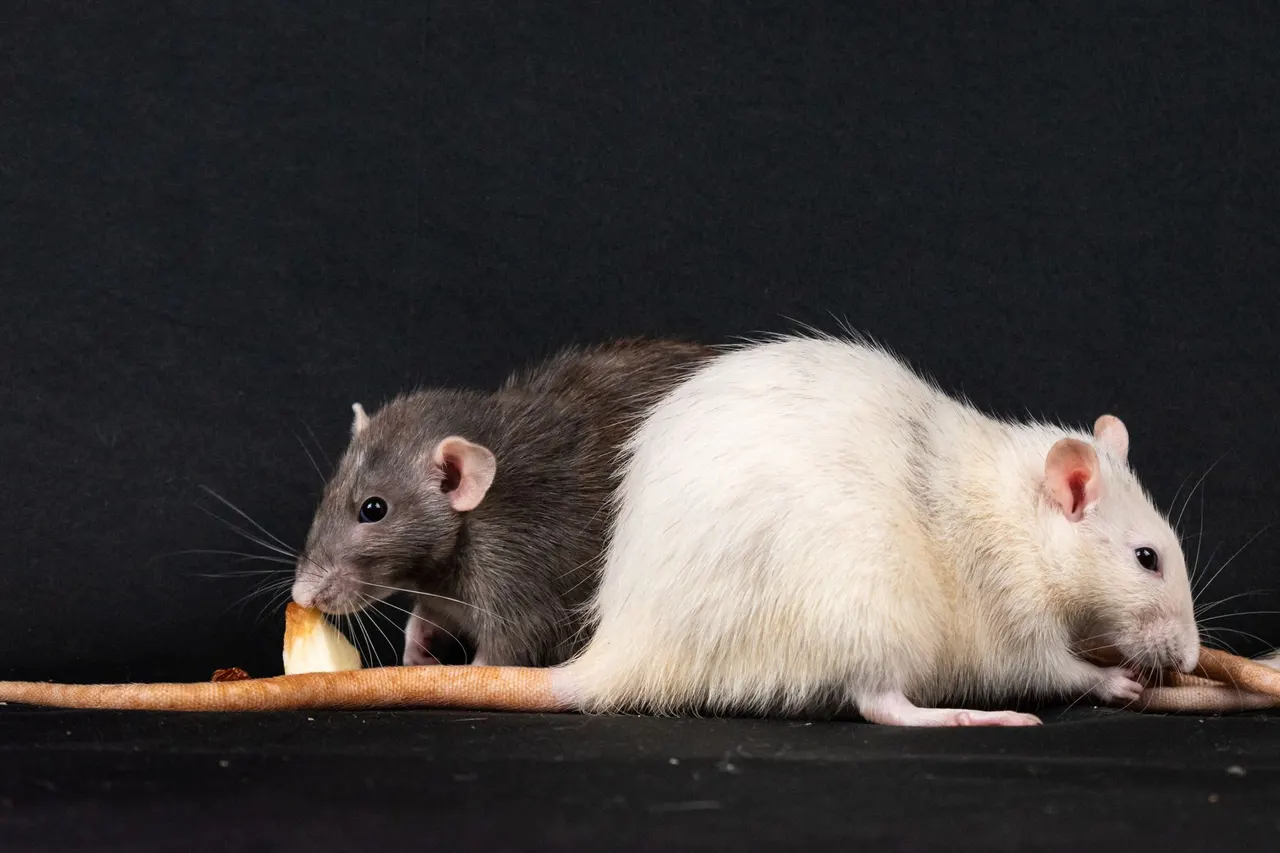
We start with a flashlight and inspection mirror walk of the foundation, crawlspace, attic, garage, and every utility penetration. We mark each entry point and photograph it. Most Fort Lee homes take 45 to 90 minutes to inspect.
We map every gap by size and location, then rank them by how likely rodents are to use them. Gaps under a quarter inch get sealed. Larger openings get hardware cloth or exclusion mesh backed by copper mesh. You see the map before we start.
We seal gaps with copper mesh, steel wool, caulk, and foam sealant, then fit door sweeps and vent covers where needed. A typical single-family home takes three to five hours. Larger buildings or heavy infestations can run a full day.
Any rodents still inside get removed with snap traps, glue boards, or live catch traps placed in bait stations. We check stations on a set schedule, usually every three to seven days until activity stops.
We walk the property with you, show you every sealed point, and explain what to watch for. You get a written summary of the work and a warranty on the exclusion materials we installed.
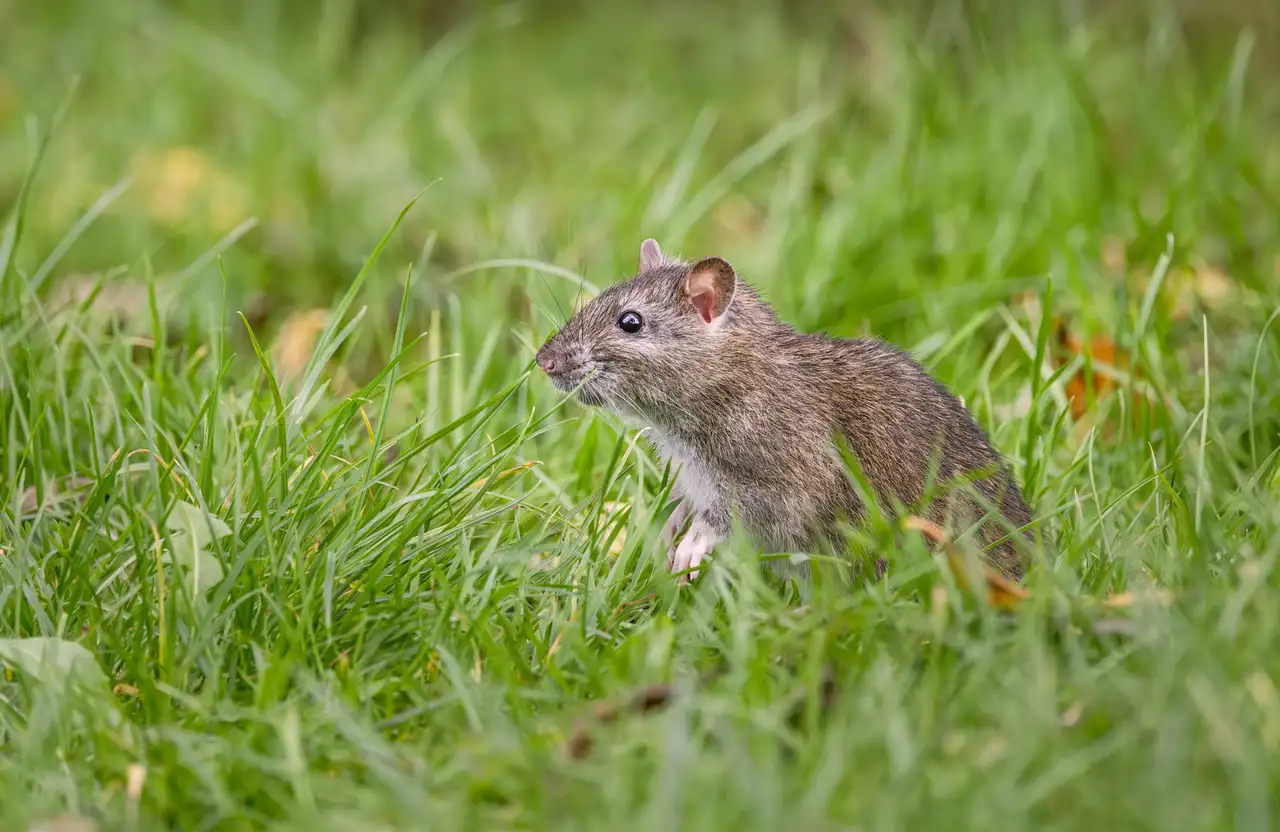
Packed into gaps around pipes and sill plates. Rodents cannot chew through copper, and it holds its shape inside irregular openings.
Used with caulk to fill small gaps around utility penetrations. It stops mice from squeezing through pencil-width openings.
Screwed over larger openings like foundation vents, crawlspace doors, and roof returns. Sized to keep rats and mice out while allowing airflow.
Applied behind copper mesh or hardware cloth to close irregular gaps and lock the chew-resistant material in place.
Placed inside bait stations to remove rodents still inside the building after the seal-out.
Locked stations holding rodenticide bait blocks, placed where children and pets cannot reach them.
Used in attics and crawlspaces to find rodent urine trails and confirm how far an infestation has spread.
We photograph and rank every gap by size and likelihood of use. You see the map before we start, so you know exactly what is being sealed and why.
Every gap gets copper mesh, steel wool, hardware cloth, or foam sealant backed by metal. Foam alone is never used as the primary barrier.
Locked stations go at the most likely re-entry points and along known runways. We check them on a set schedule until activity stops.
After the seal-out, we set monitoring stations and check them every three to seven days. That confirms the building is sealed and catches any new attempt early.

We inspect the exterior, find the gaps rodents are using to get in, and seal them. Traps go in for any animals still inside, and monitoring stations go at the most likely re-entry points. Noises stop within one to two weeks, and the building is sealed before the worst of winter.
We inspect the back door, vents, and utility penetrations, seal them with copper mesh and hardware cloth, and provide written documentation of the work. You pass inspection with paperwork in hand, and the building stays sealed through the busy season.
We map entry points along the foundation and shared walls, seal them, and set bait stations in the trash room and mechanical spaces. We check stations on a set schedule. Sightings drop to zero within a month, and the monitoring stations stay clean through the following season.
We inspect the whole structure, seal any open entry points, and set monitoring stations to confirm the building is clean before you move in. You move into a sealed home with a written summary of the work and a warranty on the exclusion materials.
Fort Lee buildings sit on a rocky ridge above the Hudson, and that geology shapes how rodents move. The Palisades give rats and mice natural cover, and when temperatures drop in November, they push toward the warmest nearby structure. Downtown Fort Lee has older brick buildings with shared walls and long basement runways, so a gap in one unit can feed a whole block. The Heights has more single-family homes with crawlspaces, retaining walls, and wooded edges, which means more exterior entry points to seal. We size materials to the building, not to a template. A brick foundation gets copper mesh packed into mortar gaps. A crawlspace gets hardware cloth over vents and a full sill plate inspection. If you are comparing rodent proofing and exclusion Fort Lee options, ask whether the quote includes a full entry point map and a warranty on the materials. Ours does.
Older brick buildings with shared walls and basements. Rodents move between units through utility chases, so we inspect party walls and pipe penetrations carefully.
Single-family homes near the Palisades with crawlspaces and retaining walls. Exterior gaps at the sill plate and garage are the most common entry points.
Mix of older homes and newer construction. Newer builds often have unsealed utility penetrations that get missed during construction.
Close to the bridge approaches and commercial corridors. Trash storage and loading areas draw rodents, so exterior proofing matters as much as interior sealing.
Rodents move indoors fast when nighttime temperatures drop below 40 degrees. Booking proofing before the first hard freeze prevents the worst of the season.
Natural cover lets rodents approach buildings without crossing open ground. We focus on the foundation line and any gap facing the tree line.
Mortar joints and weep holes give mice easy entry. We pack those gaps with copper mesh and seal them without trapping moisture in the wall.
Rodents travel between units through utility chases. We inspect party walls and pipe penetrations, not just the exterior.
A restaurant in Downtown Fort Lee had mice in the storage room for three months. Trapping caught a few each week but they kept coming back. The building had six open gaps along the shared wall and a missing door sweep at the back entrance.
We sealed all six gaps with copper mesh and hardware cloth, installed a new door sweep, and set two bait stations. Trapping stopped after 12 days. Three months later, the monitoring stations were still clean.
Maintenance: We check the stations quarterly and re-inspect the back door sweep each fall. The restaurant staff keeps cardboard off the floor, which removes nesting material.
A homeowner in The Heights heard scratching under the kitchen floor every night. The crawlspace had two open foundation vents and a gap at the sill plate. Droppings were visible on the vapor barrier.
We covered both vents with hardware cloth, sealed the sill plate gap with copper mesh and foam sealant, and removed four mice with snap traps. The noises stopped in nine days. Follow-up inspection at three weeks found no new activity.
Maintenance: The homeowner checks the vents each spring and keeps the crawlspace door closed. We re-inspect the sill plate annually before winter.
A building manager in The Heights reported mice in the trash room every week. The foundation had four entry points, and the trash room door had a worn sweep. Trapping alone had not solved it in over a year.
We sealed the four foundation gaps, replaced the door sweep, and set four bait stations around the trash room and mechanical spaces. Sightings dropped to zero within three weeks. Six months later, no new activity.
Maintenance: The building staff keeps the trash room door closed and reports any new droppings. We check the bait stations monthly and replace the door sweep every two years.
Most Fort Lee calls start with one of these four problems. Each one has a proofing fix, and each one gets worse the longer it sits.
Rodents inside wall voids chew wiring, insulation, and pipe wrap. Left alone, they breed and spread through the building. We inspect the wall voids and attic, trap the animals inside, then seal the entry points they used. Most noise complaints stop within one to two weeks of the seal-out.
Droppings carry bacteria and trigger allergies. Contaminated food and surfaces have to be thrown out or cleaned. We remove the rodents, seal the gaps behind the stove, sink, and cabinets, and show you how to clean and monitor the area. We also set bait stations nearby to catch new attempts.
Chewed wiring is a fire risk and an expensive repair. Damaged insulation loses R-value and raises heating bills. We seal the entry points that gave rodents access to the wiring runs and insulation, then document the damage so your electrician or contractor can repair it.
Odor means a long-running infestation. Urine soaks into insulation and wood, and the smell spreads into living spaces. We remove the rodents, seal the structure, and identify the contaminated materials. Once the source is gone, the odor fades as the space dries and airs out.

Our technicians hold New Jersey pest control licenses and NJ DEP Pesticide Applicator Certification, and we work to EPA and NPMA standards on every job. We have sealed hundreds of buildings across Bergen County, from single-family homes to restaurants and multi-unit buildings. We know how Fort Lee buildings are put together, where rodents get in, and which materials hold up. That local experience is why our seal-outs last.
Rodent proofing includes a full inspection, sealing of every entry point with copper mesh, steel wool, hardware cloth, or foam sealant, and installation of door sweeps and vent covers where needed. Trapping and monitoring stations are included when rodents are still inside. You get a written scope and a walkthrough at the end.
Most Fort Lee rodent proofing jobs run $350 to $1,200 depending on the number of entry points and the size of the building. A single-family home with three to five gaps sits near the lower end. Multi-unit buildings, crawlspaces, and heavy infestations run higher. You get a flat price before we start.
Yes. Sealing entry points is the only permanent fix for a building that keeps getting rodents. Trapping alone removes the animals inside but leaves the doors open for the next ones. Once the structure is sealed, re-infestation drops sharply, and monitoring stations catch the rare new attempt.
A typical single-family home takes three to five hours for the seal-out. Larger buildings or heavy infestations can take a full day. Trapping and monitoring add follow-up visits over one to three weeks, usually every three to seven days until activity stops.
Not seeing your question? Our local team can help you understand urgency, scheduling and what to expect.
Ask the local team
Removal clears the rodents already inside your Fort Lee building. We trap and remove them with snap traps, glue boards, or live catch traps, then hand off to proofing so the same gaps do not let new animals in.
View service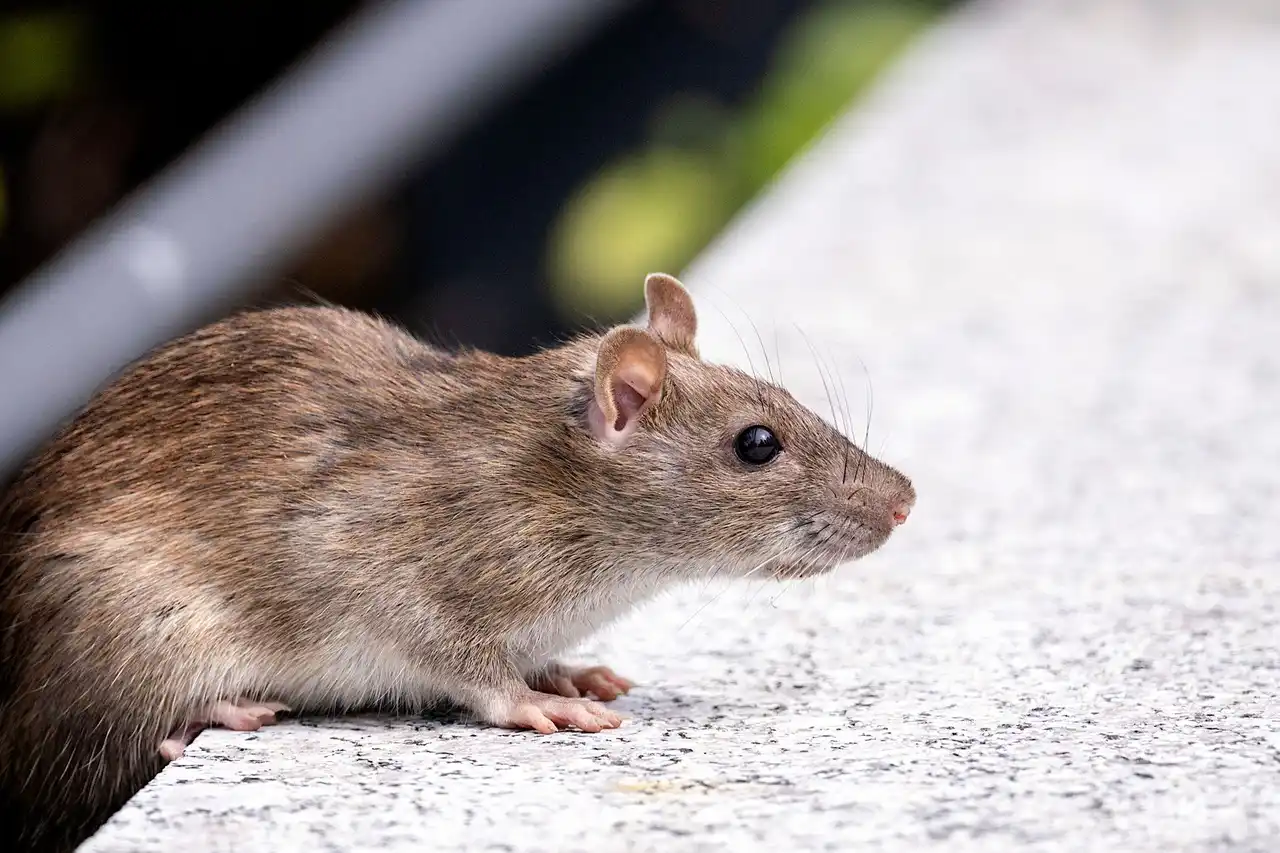
Exclusion is the sealing work itself. We close every gap with copper mesh, steel wool, hardware cloth, and foam sealant. Most Fort Lee customers book exclusion and proofing together because the two jobs share the same inspection.
View service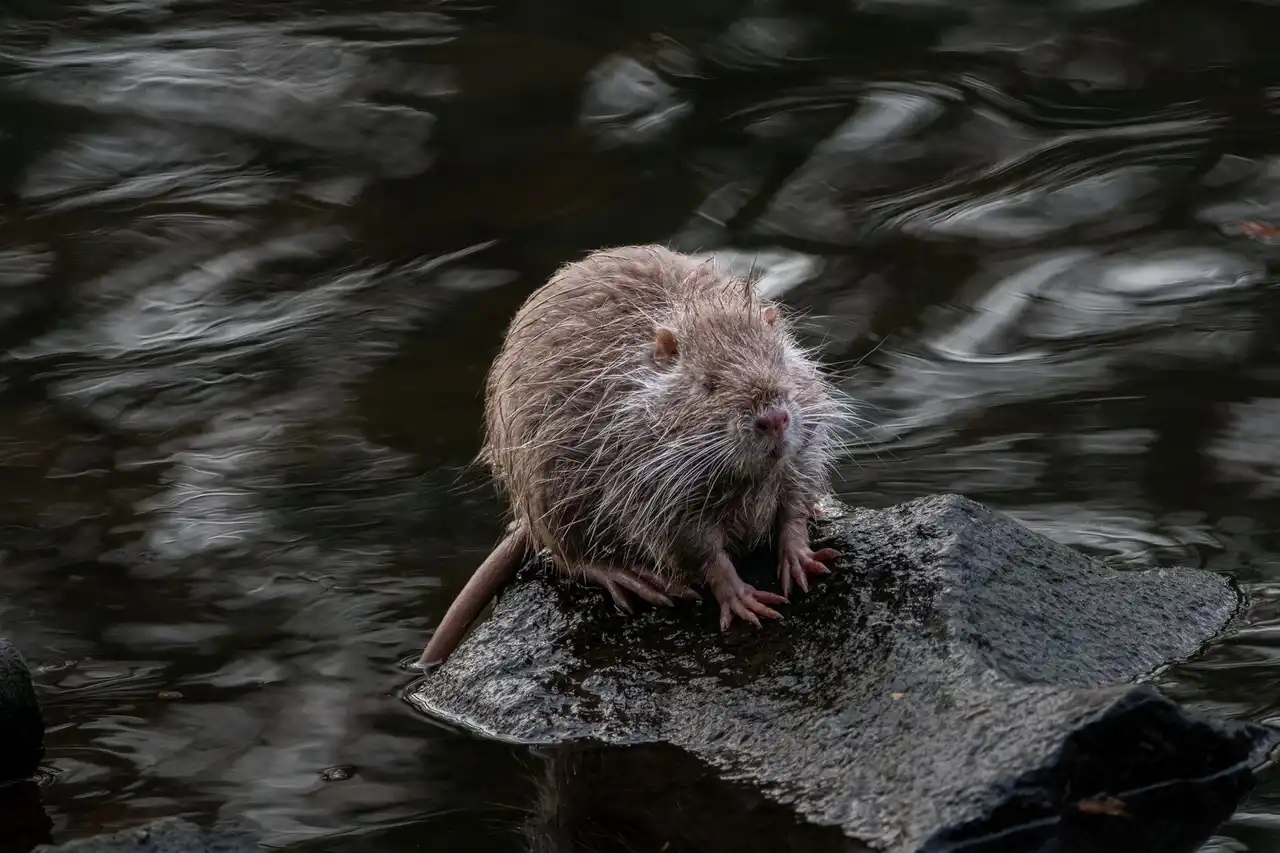
Rats need larger openings and heavier materials than mice. Our rat control work uses bait stations, rodenticide bait blocks, and hardware cloth sized for rats. We pair it with proofing so the colony does not rebuild.
View service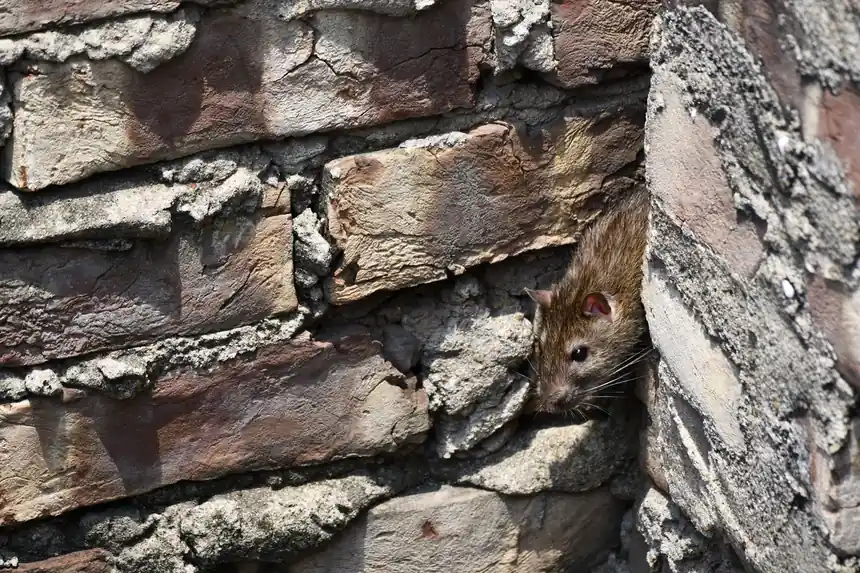
Call us any time, day or night, and a real person picks up. We book same-day appointments for most of Fort Lee and can usually give you an arrival window within a couple of hours. If you prefer, send an email and we will get back to you the same business day.