Focused arrival windows
Useful updates and clear arrival timing.
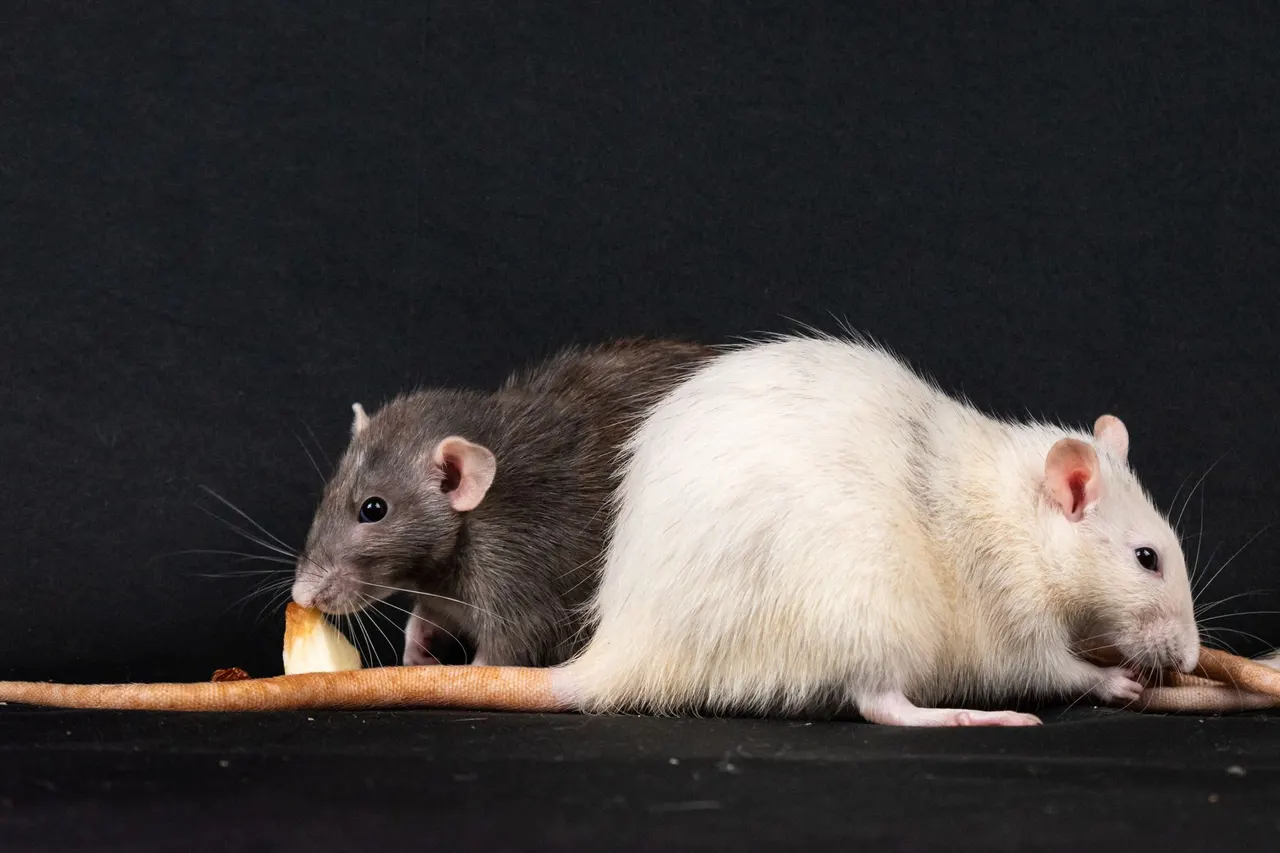
Rat Control Fort Lee NJ is a licensed rat extermination service that removes active infestations and seals the entry points rats use to get back in. If you hear scratching in the walls at night or find droppings behind the stove, we can be at your door today. We serve homeowners, landlords, and restaurants across Bergen County with same-day rat removal and a written warranty.
Useful updates and clear arrival timing.
Review the approach and price before deciding.
Equipped vehicles and respectful cleanup.
Neighbors serving neighbors with follow-through.
Every rat control job includes inspection, trapping, exclusion, and a follow-up visit. We do not charge extra for the seal work that most companies skip. Here is what you get when you book with us.
We inspect the attic, basement, crawlspace, kitchen, and exterior perimeter with a flashlight, inspection mirror, and UV blacklight. We mark every entry point and every run. This takes 30 to 60 minutes and is included in the price.
We set snap traps, glue boards, and bait stations along the runs rats are using. In kitchens and occupied spaces we use live catch traps or tamper-resistant bait stations. Rodenticide bait blocks go only in secured stations keyed with bait station keys.
We seal every entry point we found with copper mesh, steel wool, hardware cloth, caulk, and foam sealant. Door sweeps and vent covers close the last routes. This is the step that keeps rats from coming back next season.
We pull any dead rats from traps and dispose of them properly. We also treat areas with heavy droppings or urine odor. If you have allergies from rodents or concerns about rodent-borne diseases, tell us and we will prioritize those areas.
We return in 7 to 14 days to check traps and confirm activity has stopped. If more sealing is needed, we do it on that visit. You get a written warranty and a summary of what was sealed and where.
Share what is happening and receive a clear next step from the local team.
Rat Control Fort Lee NJ is a licensed pest-management service that locates active rat activity, removes the animals, and permanently seals the building against re-entry. A technician inspects the attic, basement, crawlspace, and exterior perimeter with a flashlight and inspection mirror, then sets snap traps, bait stations, or live catch traps depending on where the rats are moving. We document every entry point and treat the infestation at the source, not just the symptom.
Fort Lee's older brick apartment buildings, restaurant row along Main Street, and dense residential blocks give rats plenty of routes between units. Norway rats follow sewer lines and foundation gaps; roof rats climb trees and enter through soffits. If you have tried store-bought bait and the scratching came back, that is normal. Rats memorize travel routes and will re-enter through the same quarter-inch gap. Call us for rat control service in Fort Lee NJ before the colony grows.
We ask where you hear the noise, when you hear it, and what you have seen. Droppings in the kitchen, scratching in the ceiling, or a rat on the basement floor all point to different species and different entry routes. This call takes 5 to 10 minutes and lets us load the right equipment.
A technician walks the interior and exterior with a flashlight, inspection mirror, and UV blacklight. We check the attic, crawlspace, basement, utility penetrations, and roofline. We mark every entry point and every run we find. This inspection takes 30 to 60 minutes on a typical Fort Lee home.
We set snap traps, glue boards, and bait stations along the runs rats are using. In kitchens and occupied spaces we use live catch traps or tamper-resistant bait stations keyed with bait station keys. Rodenticide bait blocks go only in secured stations, never loose.
Once activity drops, we seal the building. Copper mesh and steel wool go into gaps around pipes and vents, hardware cloth covers larger openings, and we finish with caulk and foam sealant. Door sweeps and vent covers close the last routes. This is the step that keeps rats out for good.
We return in 7 to 14 days to check traps, pull any carcasses, and confirm activity has stopped. If the building needs a second seal pass, we do it on that visit. You get a written warranty and a summary of what was sealed and where.
The fastest way to remove rats from a run. We set them along walls and in attics where rats travel. We use Victor and JT Eaton snap traps because they hold up in damp basements.
We use Bell Laboratories and Catchmaster bait stations keyed with bait station keys. They keep rodenticide bait blocks away from kids and pets. Required in kitchens and occupied spaces.
We pack copper mesh and steel wool into gaps around pipes, vents, and foundation cracks. Rats cannot chew through copper mesh the way they chew through foam or plastic.
We cover larger openings like vents and crawlspace doors with hardware cloth. It is galvanized, so it does not rust out in Fort Lee's damp basements and crawlspaces.
Rat urine glows under UV light. We use a UV blacklight to find runs and nesting areas that are not visible in normal light. This is how we find activity behind appliances and in wall voids.
We use an inspection mirror and flashlight to check behind appliances, inside wall voids, and under sinks. Most entry points are in places you cannot see without a mirror.
IPM means we start with inspection and exclusion before reaching for rodenticide. We identify the species, find the entry points, and seal the building. Bait and traps are used only where needed. This approach is required for NPMA Member companies and is what we follow on every job.
We seal the building before we finish trapping. Copper mesh, steel wool, hardware cloth, caulk, and foam sealant close every gap we found. This is the step that turns a one-time removal into a permanent fix. Most warranty callbacks happen when this step is skipped.
We use tamper-resistant bait stations keyed with bait station keys in any space where kids, pets, or food are present. Rodenticide bait blocks go inside the station, never loose. This follows State of New Jersey Department of Environmental Protection rules and keeps the application safe.
We return in 7 to 14 days to check traps and confirm activity has stopped. We use tracking powder and UV blacklight to verify no new runs have appeared. If activity continues, we re-treat and re-seal on that visit.
We inspect the attic with a flashlight and UV blacklight to find the run and the entry point. We set snap traps along the run and seal the gap with copper mesh and steel wool. Most attic jobs are done in two visits. The scratching stops within 3 to 5 days, and the sealed entry point keeps the next rat out.
We treat it as urgent. Same-day inspection, tamper-resistant bait stations and live catch traps in the storage area, and exclusion work on the back door and utility penetrations. We provide documentation for your re-inspection. You get the paperwork you need and a sealed storage room before the re-inspection date.
We inspect the foundation, sill plate, and pipe penetrations. We set snap traps and bait stations along the wall runs, then seal the gaps with hardware cloth, caulk, and foam sealant. We also check the crawlspace if you have one. The basement is clear within 7 to 10 days, and the sealed foundation keeps them out.
We inspect all adjacent units, not just the one with the complaint. Rats travel between units through shared wall voids. We set traps in the affected units and seal the shared penetrations. We provide a report for the landlord. The whole building gets treated, not just one unit, so the problem does not move next door.
Fort Lee's building stock shapes how we do rat control here. The older brick apartment buildings near Downtown Fort Lee have shared wall voids and pipe chases that let rats move between units. Hillside homes in The Heights have foundation gaps and crawlspace vents that rats use in cold weather. Restaurants along Main Street deal with rats coming in through back doors and utility penetrations. We also see seasonal shifts. Rats move indoors in late fall when temperatures drop, and they move back outside in spring. That is why we lead with exclusion work in November and December. If you need rat control New Jersey service in a multi-unit building, we inspect all adjacent units, not just the one with the complaint. We follow State of New Jersey Department of Environmental Protection rules on every rodenticide application, and we provide documentation for landlords and restaurant owners who need it.
Older brick apartment buildings with shared wall voids. Rats travel between units through pipe chases. We inspect adjacent units, not just the one with activity.
Hillside homes with crawlspaces and foundation vents. Rats enter through foundation gaps in cold weather. We seal with copper mesh and hardware cloth.
Restaurants and ground-floor businesses. Rats come in through back doors and utility penetrations. We use tamper-resistant bait stations and door sweeps.
High-traffic residential blocks near the George Washington Bridge. Rats follow sewer lines and foundation gaps. We inspect the exterior perimeter first.
Rat calls spike in November and December. We prioritize exclusion work during these months because sealing the building is what keeps rats out when temperatures drop.
Rats move between units through pipe chases and shared voids. We inspect adjacent units and seal the shared penetrations, not just the unit with the complaint.
Food waste and back-door gaps give rats easy access. We use tamper-resistant bait stations and seal utility penetrations. We also provide documentation for health inspections.
Crawlspace vents and foundation gaps are common entry points. We cover vents with hardware cloth and seal gaps with copper mesh and steel wool.
A homeowner in The Heights heard scratching in the ceiling every night for three weeks. Store-bought bait did nothing. We found four entry points along the roofline and two active runs in the attic. Droppings were visible on the insulation.
We set snap traps along both runs and sealed the four entry points with copper mesh and steel wool. The scratching stopped in four days. Follow-up at 10 days showed no new activity. The homeowner has not heard anything since.
Maintenance: We recommend an annual inspection each fall before temperatures drop. Rats move indoors in November, so sealing before then is the best prevention.
A restaurant on Main Street failed a health inspection after droppings were found in the storage room. The back door had a half-inch gap at the bottom, and a utility pipe penetration was open. The owner needed it fixed before the re-inspection.
We installed tamper-resistant bait stations and live catch traps in the storage room. We sealed the back door with a door sweep and closed the pipe penetration with copper mesh. The re-inspection passed. No activity since.
Maintenance: We set up a quarterly check for the storage room and kitchen. Tamper-resistant bait stations stay in place, and we verify no new entry points have opened.
A landlord in Downtown Fort Lee had rats in two of four units. The ground-floor tenant saw droppings, and the upstairs tenant heard scratching. The building was older brick with shared wall voids and pipe chases.
We inspected all four units and found three shared penetrations. We set snap traps in the basement and sealed the penetrations with copper mesh and hardware cloth. Both tenants reported no activity within a week. The landlord got a written report for his records.
Maintenance: We recommend a semi-annual inspection for multi-unit buildings. Shared wall voids mean rats can move between units, so checking all units at once is the right approach.
Rats cause damage that gets worse every week you wait. Here are the problems we see most often in Fort Lee and how we fix them.
Rats are active inside the wall cavity, which means they have a route in and out. Left alone, they chew wiring and insulation and the colony grows. We inspect the attic and crawlspace to find the entry point, set snap traps along the run, and seal the gap with copper mesh and steel wool. Most customers hear nothing within 3 to 5 days.
Rodent droppings contaminate food and surfaces and carry rodent-borne diseases. In a restaurant, this can trigger a health inspection failure. We set tamper-resistant bait stations and snap traps in the kitchen and storage areas, then seal the entry points behind appliances and along the baseboard. We also treat the affected surfaces.
Chewed wires are a fire risk and chewed insulation raises heating bills. Rats chew constantly to wear down their teeth, so the damage does not stop on its own. We remove the rats with snap traps and bait stations, then seal the attic entry points with hardware cloth and copper mesh. We document the damage so you can show your insurance company if needed.
Urine odor means rats have been using the space for a while. The smell gets into the living area and can trigger allergies from rodents. We remove the rats, pull any carcasses, and treat the affected surfaces. Then we seal the foundation gaps and pipe penetrations that let them in. The odor clears once the source is gone and the space is treated.
Most Fort Lee rat control jobs run $250 to $650 for a standard single-family home, and $400 to $1,200 for multi-unit buildings or restaurants. The price depends on how many rats are active, how many entry points we find, and whether exclusion work is needed. We quote before we start, so you know the number upfront.
The best method is trapping plus exclusion, not bait alone. We use snap traps and bait stations to remove the active rats, then seal entry points with copper mesh, steel wool, and hardware cloth. Bait without sealing just invites the next colony in. Trapping plus sealing is what ends the cycle.
Most jobs take one to three visits over 7 to 14 days. The first visit is inspection and setup, the second is a follow-up check, and the third is only needed if activity continues. Severe infestations in older brick buildings can take three to four weeks. You will know the timeline after the inspection.
Yes. We set snap traps, glue boards, and live catch traps along the runs rats are using. In kitchens and occupied spaces we use live catch traps or tamper-resistant bait stations. Trapping is included in every rat control service in Fort Lee NJ we perform, along with the exclusion work that keeps them out.
Not seeing your question? Our local team can help you understand urgency, scheduling and what to expect.
Ask the local team
Rodent removal is the trapping and carcass-pull part of the job. If you have rats in the walls or attic, we remove them before sealing. Most Fort Lee customers book removal and exclusion together so the building is clean and closed in one service window.
View serviceRodent exclusion is the sealing work that keeps rats out after removal. We close gaps with copper mesh, steel wool, hardware cloth, caulk, and foam sealant. In Fort Lee's older buildings, exclusion is the difference between a one-time fix and a recurring problem.
View service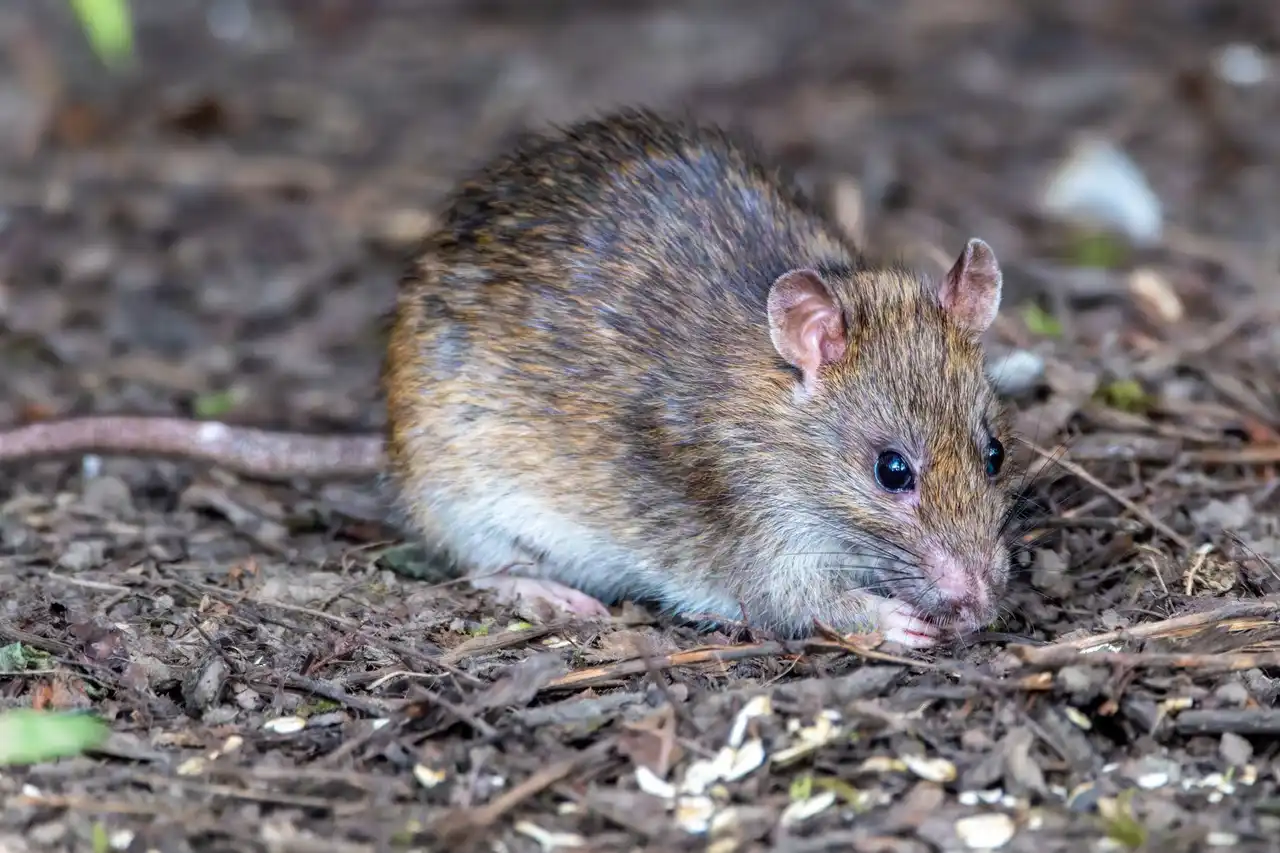
Rodent proofing covers the preventive upgrades: door sweeps, vent covers, and hardware cloth over openings. If you have not had rats yet but your neighbors have, proofing is cheaper than removal. We inspect first and only seal what actually needs it.
View service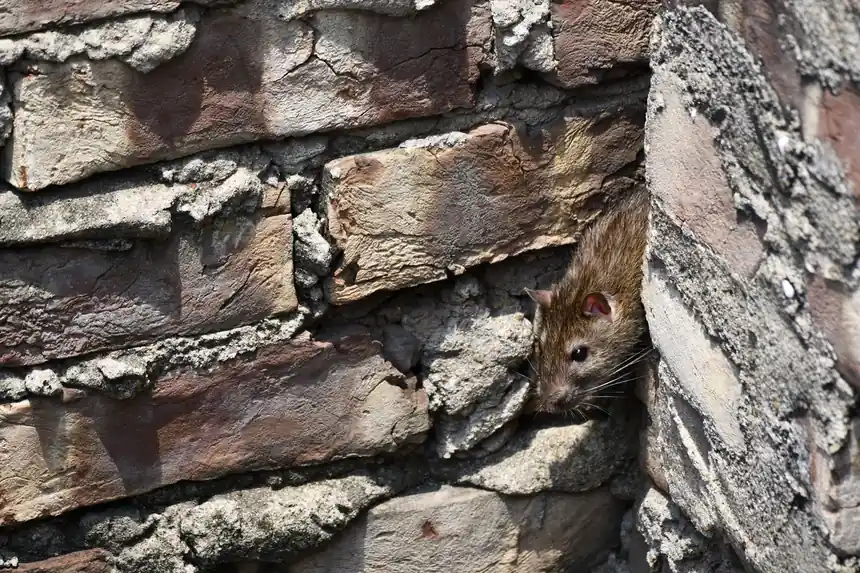
Call us any time, day or night, and a real person picks up. We book same-day appointments for most of Fort Lee and can usually give you an arrival window within a couple of hours. If you prefer, send an email and we will get back to you the same business day.