Focused arrival windows
Useful updates and clear arrival timing.
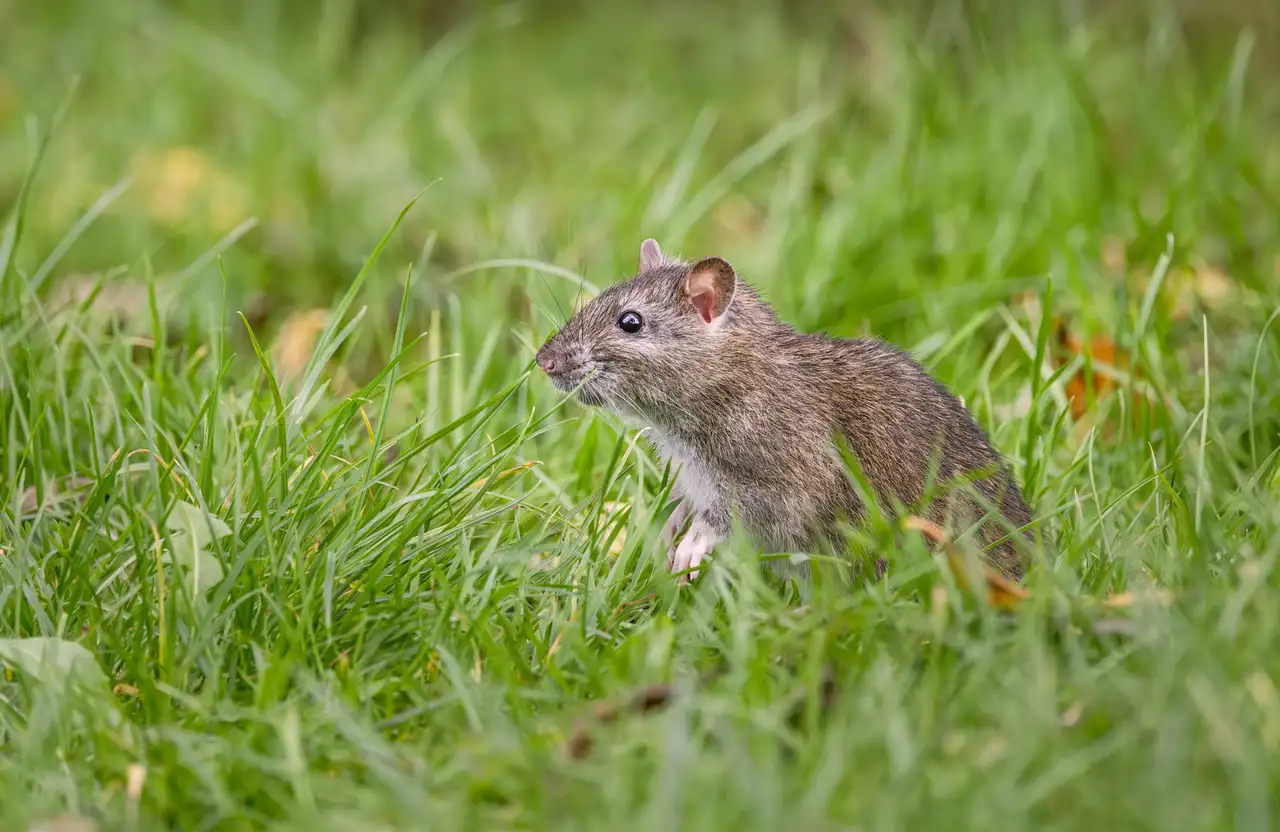
Rodent Removal Fort Lee NJ handles the rats in your walls and the mice in your pantry, usually the same day you call. We inspect, trap, seal, and sanitize. You get a written warranty and a clear price before we start. If you hear scratching at 2 a.m., we answer.
Useful updates and clear arrival timing.
Review the approach and price before deciding.
Equipped vehicles and respectful cleanup.
Neighbors serving neighbors with follow-through.
Every rodent removal job we run in Fort Lee includes the same core scope. You get inspection, trapping, exclusion sealing, sanitation, and one follow-up visit. If your situation needs something beyond that, we tell you before we start and you decide.
We check attic, basement, crawlspace, kitchen, garage, and every exterior wall. We use a flashlight, inspection mirror, and UV blacklight to trace droppings and urine trails. You get a written report of what we found and where the entry points are.
Snap traps, glue boards, and live catch traps go along known runways. Bait stations with rodenticide bait blocks go in locked housings. We use Victor, Tomcat, JT Eaton, and Catchmaster products because they hold up. You get a trap map showing every location.
We pack copper mesh and steel wool into gaps around pipes and vents, seal with caulk and foam sealant, and cover larger openings with hardware cloth. Door sweeps and vent covers go on where needed. Every seal is photographed for your records.
We remove nesting material and contaminated debris, treat the affected areas, and deodorize to kill rodent urine odor. This matters for allergies and for anyone with young kids or pets. We bag and remove everything we pull out.
We return in seven to ten days to pull traps and confirm activity has stopped. If anything is still moving, we re-treat at no charge. Your exclusion work carries a written warranty. If rodents chew back through a sealed point, we come back and fix it.
Share what is happening and receive a clear next step from the local team.
Rodent Removal Fort Lee NJ is a licensed pest control service that finds, extracts, and excludes rats and mice from homes and businesses. We start with a full inspection using an inspection mirror, flashlight, and UV blacklight to trace droppings, urine trails, and grease rub marks. Then we set snap traps, glue boards, and live catch traps in the right spots, seal every entry point with copper mesh, steel wool, and hardware cloth, and sanitize the contaminated areas. Most jobs take two to four hours on site, with a follow-up visit seven to ten days later.
Fort Lee sits tight against the Palisades, so older brick apartment buildings, postwar split-levels, and downtown storefronts all share the same problem: gaps around steam pipes, dryer vents, and garage doors that let rodents walk right in. Cold snaps in November push rats indoors looking for warmth, and a single breeding pair of mice can turn into 30 or more in under two months. That is why we treat rodent removal as a building-sealing job, not just a trapping job.
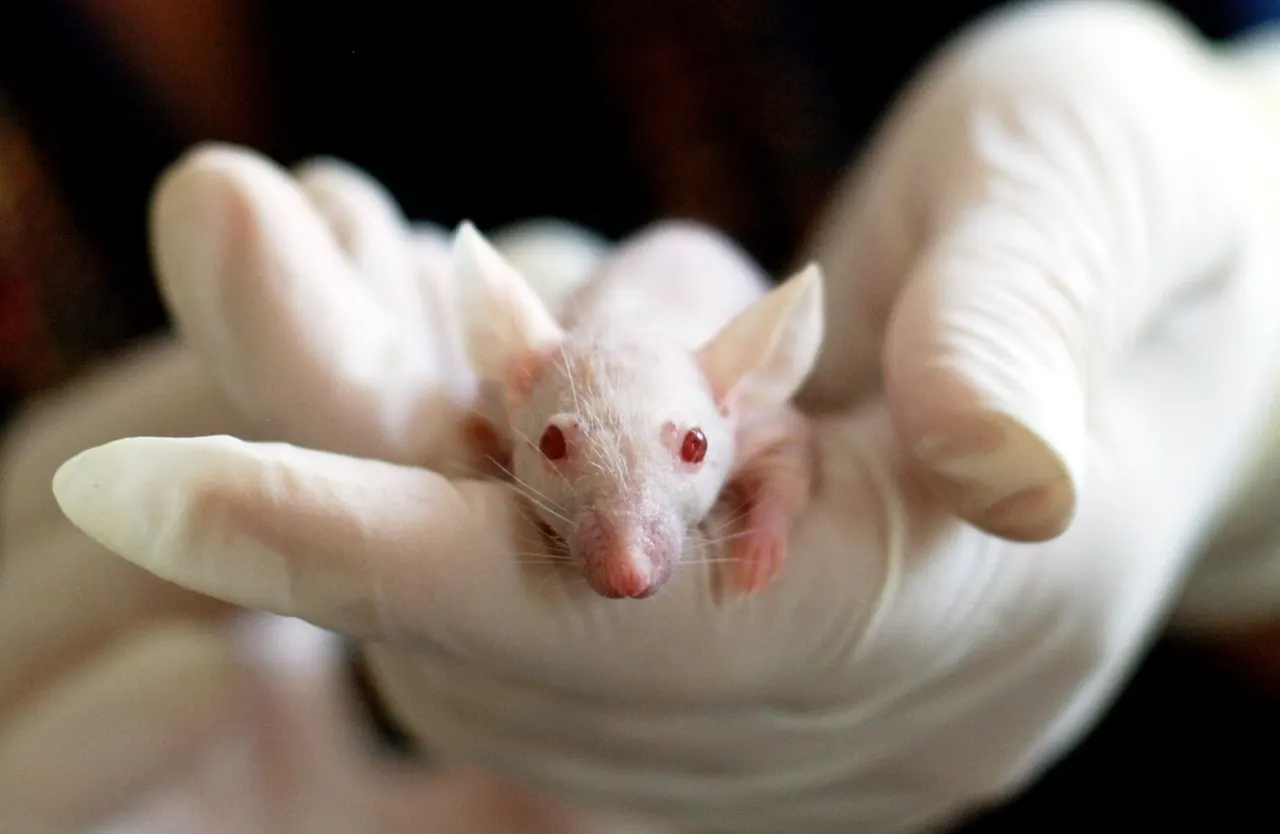
You call or book online. We ask where you are hearing or seeing activity, how long it has been going on, and whether you have pets or kids. That tells us whether to send a standard kit or a full exclusion load. Most Fort Lee calls get a same-day window, and we text you the technician's arrival time.
The technician walks the interior and exterior with a flashlight and inspection mirror. We check the attic, basement, crawlspace, kitchen, garage, and every pipe penetration. We look for rodent droppings, grease trails, gnaw marks, and entry points wider than a quarter inch. This takes 30 to 45 minutes on a typical Fort Lee home.
We place snap traps, glue boards, and live catch traps along known runways, not randomly. Bait stations with rodenticide bait blocks go in locked, tamper-resistant housings away from pets. We use brands like Victor, Tomcat, JT Eaton, and Catchmaster because they hold up in the field. You get a written trap map so you know where everything sits.
This is the step that makes it permanent. We pack copper mesh and steel wool into gaps around pipes and vents, seal with caulk and foam sealant, and cover larger openings with hardware cloth. Door sweeps go on garage and basement doors. Vent covers go on dryer and foundation vents. We document every seal with photos.
We remove nesting material and contaminated debris, treat the area, and deodorize to kill rodent urine odor. You get a written warranty and a follow-up visit in seven to ten days to pull traps and confirm activity has stopped. If anything is still moving, we come back at no charge.
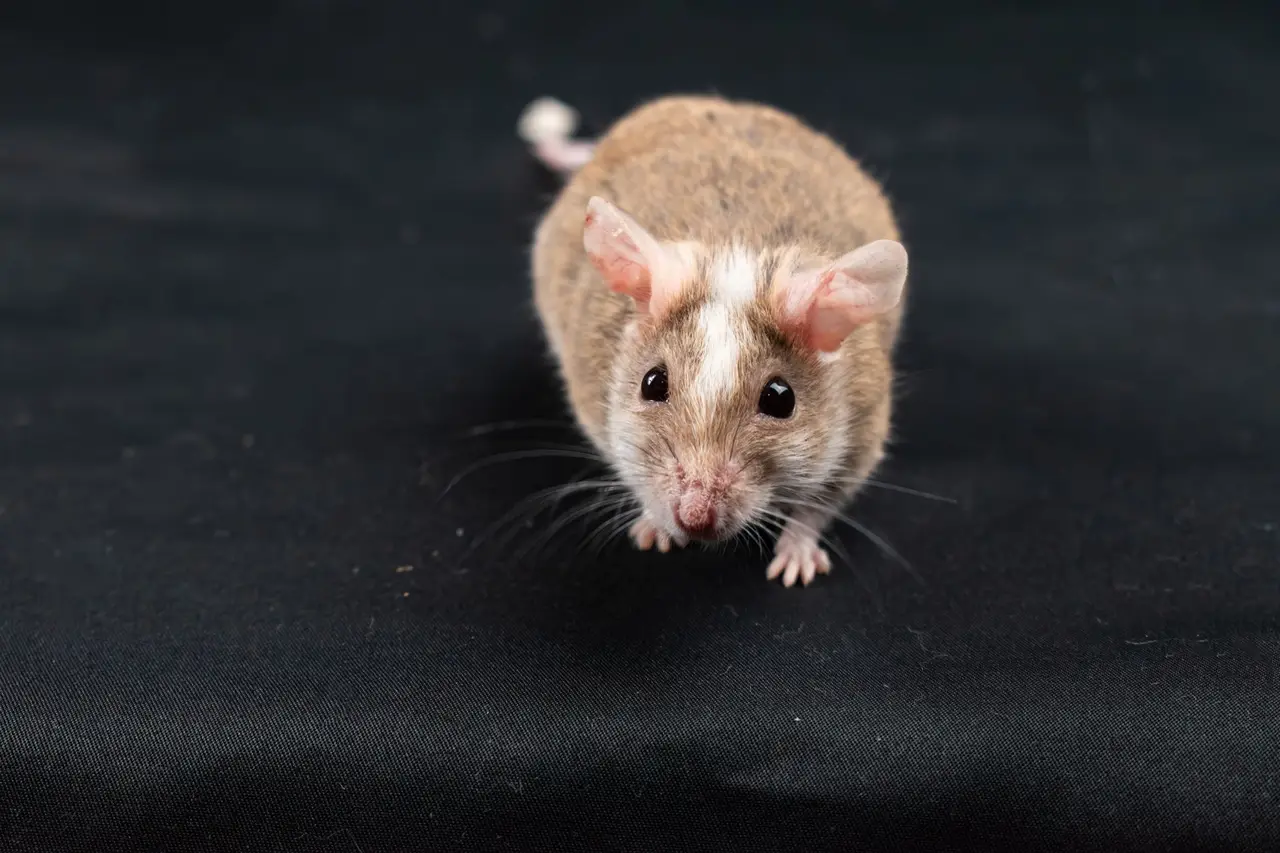
Placed along runways for fast, humane kills. We use heavier models for rats and standard models for mice. Traps are checked on a set schedule and pulled at the follow-up visit.
Used in tight spaces where snap traps will not fit, like behind appliances and inside cabinet voids. We check them daily on active jobs and replace them as needed.
Used when a customer wants a non-lethal option or when we are dealing with a single animal in a sensitive area. We handle release according to NJ DEP rules.
Locked, tamper-resistant stations placed away from pets and kids. We use EPA Certified rodenticide bait blocks and track consumption to confirm the infestation is shrinking.
The permanent fix. Copper mesh and steel wool pack pipe gaps. Hardware cloth covers larger openings. Caulk and foam sealant finish the seal. Door sweeps and vent covers close the last gaps.
Used to find droppings, urine trails, and grease rub marks that are not visible in normal light. Tracking powder shows us exactly which runways are active.
We combine inspection, exclusion, trapping, and targeted rodenticide instead of relying on any single tool. This is the standard approach recommended by the NPMA and it is what makes our results last. You get a written plan, not a spray-and-pray visit.
We seal entry points before or during trapping, not after. That stops new rodents from walking in while we are clearing the ones already inside. Every seal is photographed and documented so you can see exactly what was done.
We track how much rodenticide bait blocks are consumed at each station. Falling consumption tells us the population is dropping. Rising consumption tells us we missed an entry point. This is how we confirm the job is actually done.
We remove contaminated insulation and debris, treat surfaces, and deodorize with products that break down uric acid. This is the step most companies skip. It is why our jobs do not smell like a rodent problem three months later.
We inspect the attic and roof line, set traps along the runways, and seal the gaps around roof vents and soffits with copper mesh and hardware cloth. We also check the chimney chase, which is a common entry point in older Fort Lee homes. Most attic jobs go quiet within three to five days. You get a sealed attic and a written warranty on the exclusion work.
We set heavy snap traps and locked bait stations along the walls and corners where rats travel. We also inspect the garage door seal and foundation vents, which are the two most common entry points in Fort Lee garages. Rats are usually pulled within 48 hours. We seal the entry points on the same visit so you do not get a second wave.
We run emergency rodent removal Fort Lee calls for food-service businesses. We trap, seal, and document everything for your health inspection file. Work is scheduled outside business hours when possible. You get a clean inspection report, sealed entry points, and a monitoring plan to keep it that way.
We inspect, document, trap, and seal. You get a written report with photos and a warranty that you can hand to the buyer or your realtor. We can usually turn this around within a week. The deal moves forward with a documented fix instead of a price reduction.
Fort Lee is a tight, vertical town. Most of the housing stock is prewar brick apartment buildings, postwar split-levels, and newer condos along the Hudson. That mix creates specific rodent problems. In the older brick buildings, rats and mice travel through steam pipe chases and shared wall voids, so a problem in one unit often shows up in three. In the split-levels, the most common entry points are garage door seals, dryer vents, and the gap where the foundation meets the sill plate. Cold snaps in November push rodents indoors, and the Palisades cliffs behind town give them plenty of outdoor cover to stage from. We run Fort Lee rodent removal services with that in mind. We seal the shared chases, not just the unit where you saw the mouse. We check the roof line and chimney chase on every attic job. And we schedule follow-ups tight, because in a multi-unit building, one missed entry point means a callback. If you are searching for emergency rodent removal Fort Lee NJ 24/7, we answer the phone and we tell you honestly whether it can wait until morning.
Dense mix of prewar brick walk-ups and newer high-rises. Shared pipe chases and trash rooms are the most common rodent runways. We seal the chases, not just the unit.
Mostly single-family and two-family homes with garages and basements. Garage door seals, foundation vents, and dryer vents are the entry points we fix most often here.
Older homes with steam heat and original brick. Pipe penetrations and chimney chases are the weak points. We pack them with copper mesh and steel wool.
Commercial storefronts with residential units above. Rodents move between the two. We treat the whole building, not just the storefront or the apartment.
Calls spike from late October through December. We hold extra same-day slots during that window so we can respond fast.
Rodents travel between units through the chases. Sealing one unit does not solve the building. We treat the shared structure.
Outdoor rodent pressure stays high year-round. Exclusion work here needs to be tight, not just adequate, or rodents find the next gap.
Trash rooms are rodent magnets. We bait and monitor them as part of the building plan, not as an afterthought.
Homeowner in Downtown Fort Lee heard scratching above the bedroom for three weeks. Inspection found rat droppings throughout the attic, chewed insulation, and two open gaps around steam pipes. The attic smelled strongly of urine.
We trapped four rats over five days, sealed both pipe gaps with copper mesh and steel wool, removed contaminated insulation, and deodorized the space. Follow-up at day ten showed zero activity. The homeowner replaced the insulation two weeks later.
Maintenance: We recommend an annual exterior inspection each fall before the November cold push. If you see new droppings or hear scratching, call us early. Catching it in week one is a much smaller job than week six.
Two-family home with mice in both units. Droppings in kitchen drawers, chewed cereal boxes, and a mouse spotted in the garage. The garage door seal was worn and the foundation vents had no covers.
We set snap traps along the runways, sealed the garage door with a new sweep, covered both foundation vents with hardware cloth, and packed the sill plate gaps. Ten mice pulled in the first week. Zero sightings after the follow-up visit.
Maintenance: Check the garage door sweep each spring and fall. Replace it when the rubber starts to crack. Keep the foundation vents clear of leaves so rodents do not nest against them.
A restaurant on Main Street had a mouse sighting during dinner service. The health inspector was due in four days. The kitchen had gaps behind the dish machine and under the back door.
We ran an emergency overnight job: trapped, sealed the dish machine gap with copper mesh, installed a new door sweep, and set locked bait stations in the storage room. The inspector found no activity. We now run monthly monitoring for the restaurant.
Maintenance: Monthly monitoring visits keep the bait stations stocked and confirm no new entry points have opened. We document each visit for the restaurant's inspection file.
Most Fort Lee rodent calls fall into a handful of patterns. Here is what we see and how we handle it.
Rodents inside wall cavities chew wiring, insulation, and sometimes plumbing. Left alone, a small problem becomes an electrical hazard and a much bigger bill. We trace the noise to the runway, set traps in the wall void or attic above it, and seal the entry point outside. Most wall-noise jobs in Fort Lee resolve within three to five days after trapping starts.
Droppings carry bacteria and contaminate food surfaces. Mice also urinate as they travel, which leaves a smell that lingers long after the rodents are gone. We pull everything out, trap the runways behind the cabinets and under the sink, seal the pipe penetrations, and sanitize the surfaces. You get a checklist of what to discard and what is safe to keep.
Chewed wiring is a fire risk and often voids homeowner insurance claims if it was a known problem. Rats and mice chew constantly to wear down their teeth. We trap and remove the rodents, seal the entry points, and flag every chewed wire we find so your electrician can make it safe. We document the damage with photos for your insurance file if needed.
Urine soaks into insulation, drywall, and wood. Standard cleaning does not reach it, and the smell keeps coming back in warm weather. We remove contaminated insulation and debris, treat the substrate, and deodorize with products that break down the uric acid. In heavy cases we recommend replacing attic insulation after treatment.
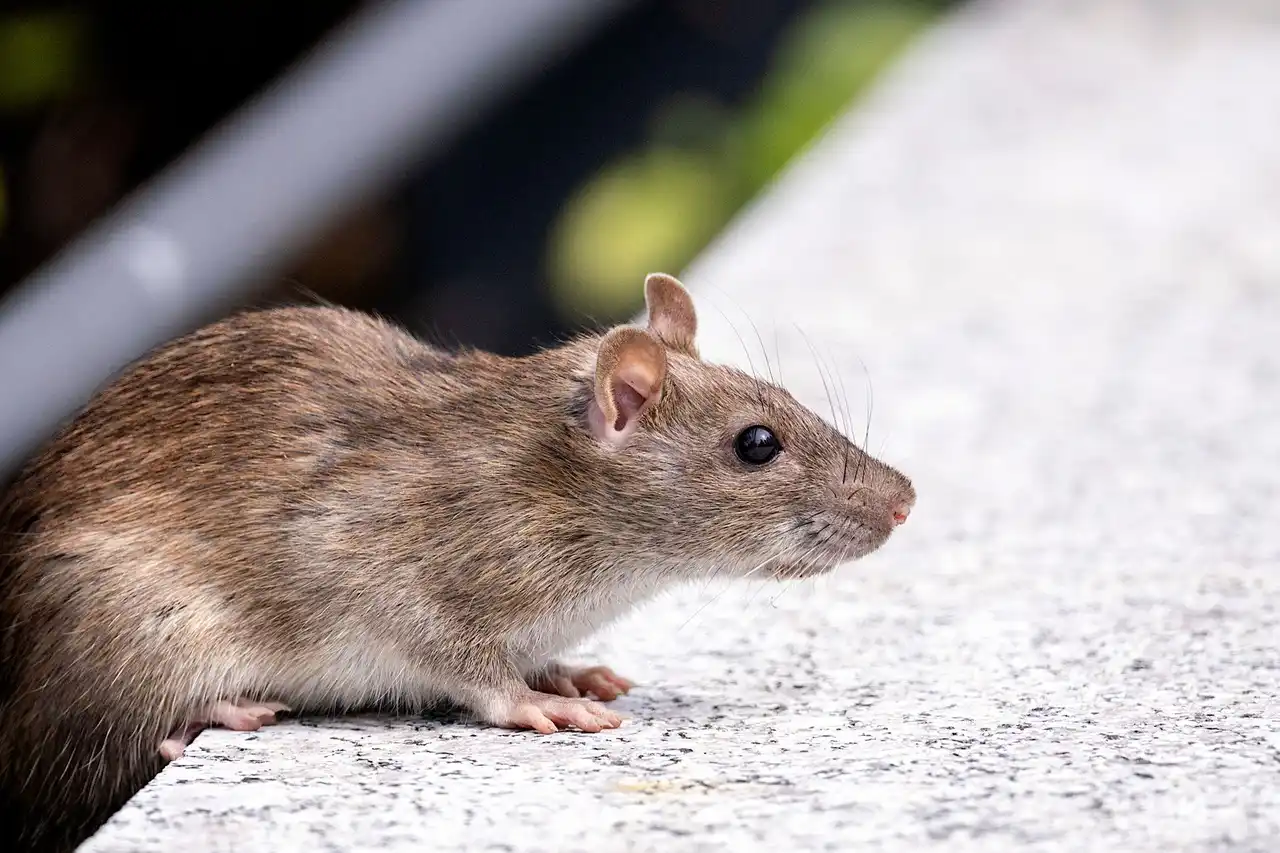
Our technicians are licensed by the State of New Jersey Department of Environmental Protection and carry current NJ DEP Pesticide Applicator Certifications. We are an NPMA Member and QualityPro Certified, which means we meet national standards for training, insurance, and customer care. We work Fort Lee buildings every week, from prewar brick walk-ups near Main Street to newer condos along the Hudson. We know which entry points fail first in this housing stock and which rodenticide products hold up in cold, damp basements. Every job is documented with photos, a trap map, and a written warranty.
Most residential rodent removal jobs in Fort Lee run $180 to $450, with attic or crawlspace exclusion pushing toward the higher end. Commercial kitchens and multi-unit buildings are quoted per site. The price covers inspection, trapping, exclusion sealing, and one follow-up visit. You get the number before we start, and there is no charge for the estimate.
Yes. We hold same-day slots for Fort Lee and the surrounding Bergen County area, and most calls placed before 3 p.m. get a technician that day. If you have an emergency, tell the person on the phone. We will either send a truck or give you an honest morning window, whichever is right for the situation.
The first visit runs two to four hours on a typical Fort Lee home. That covers inspection, trap placement, exclusion sealing, and cleanup. The follow-up visit seven to ten days later takes about 30 minutes. Larger buildings or heavy attic infestations can stretch to a full day, and we will tell you that upfront.
Yes. Attic work is most of what we do in Fort Lee, especially in older homes with gaps around steam pipes and roof vents. We remove nesting material, set traps along the runways, seal entry points with copper mesh and hardware cloth, and deodorize. We also flag chewed wiring so you can get an electrician in.
Not seeing your question? Our local team can help you understand urgency, scheduling and what to expect.
Ask the local team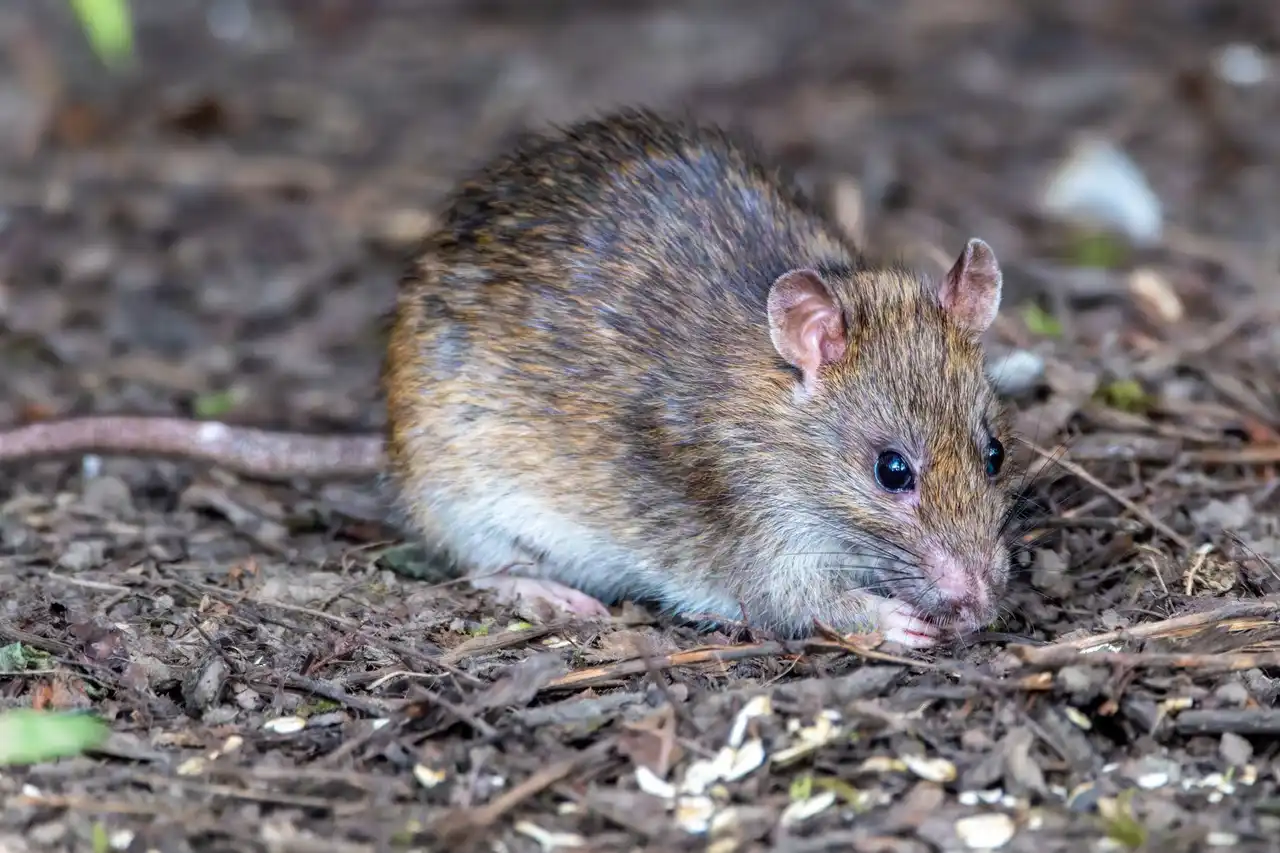
Exclusion is the sealing half of rodent removal. We pack copper mesh and steel wool into pipe gaps, install hardware cloth over vents, and add door sweeps. Fort Lee homes with old brick and steam heat need this done right or the rodents come back within weeks.
View service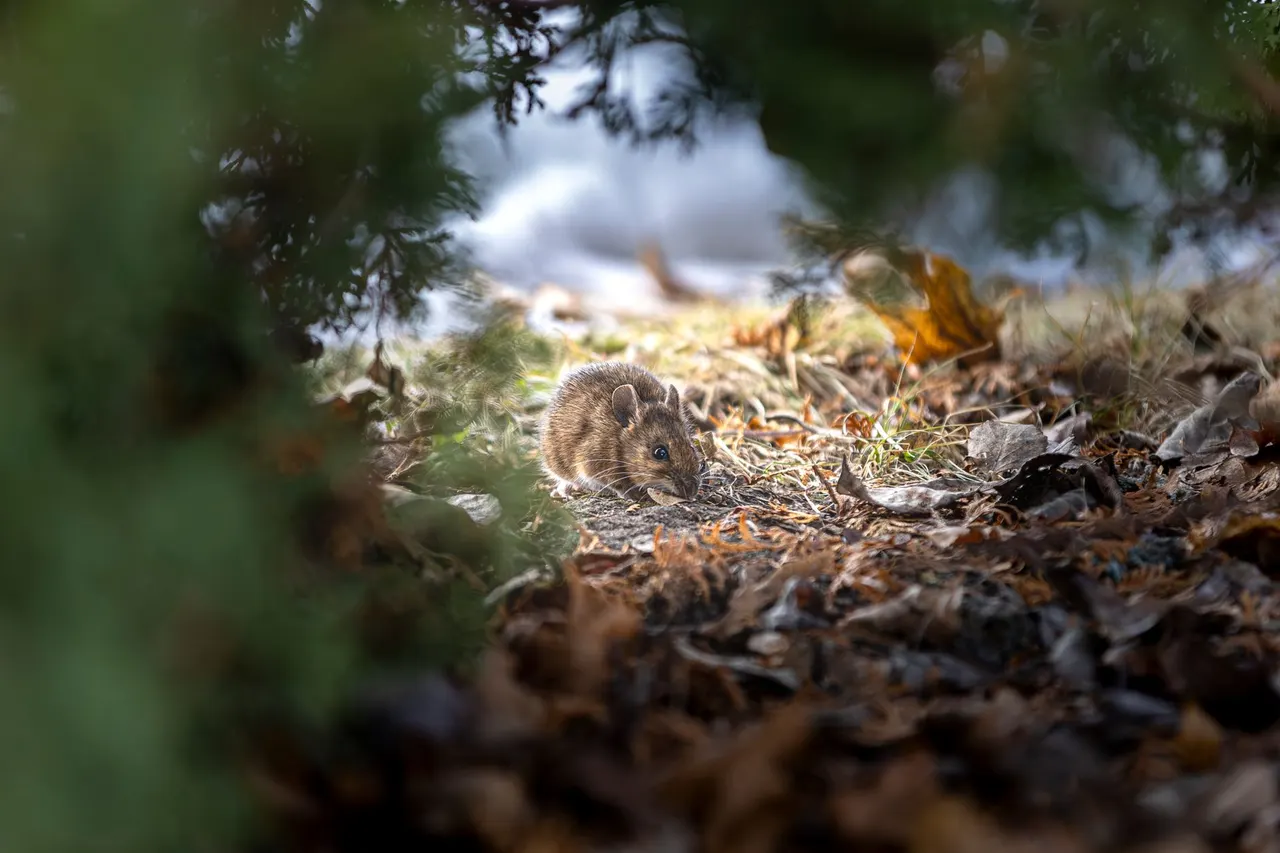
Proofing is the preventive version of exclusion. We walk the exterior, identify every gap wider than a quarter inch, and seal it before rodents find it. Best done in fall before the November cold push. Includes vent covers, door sweeps, and caulk work.
View service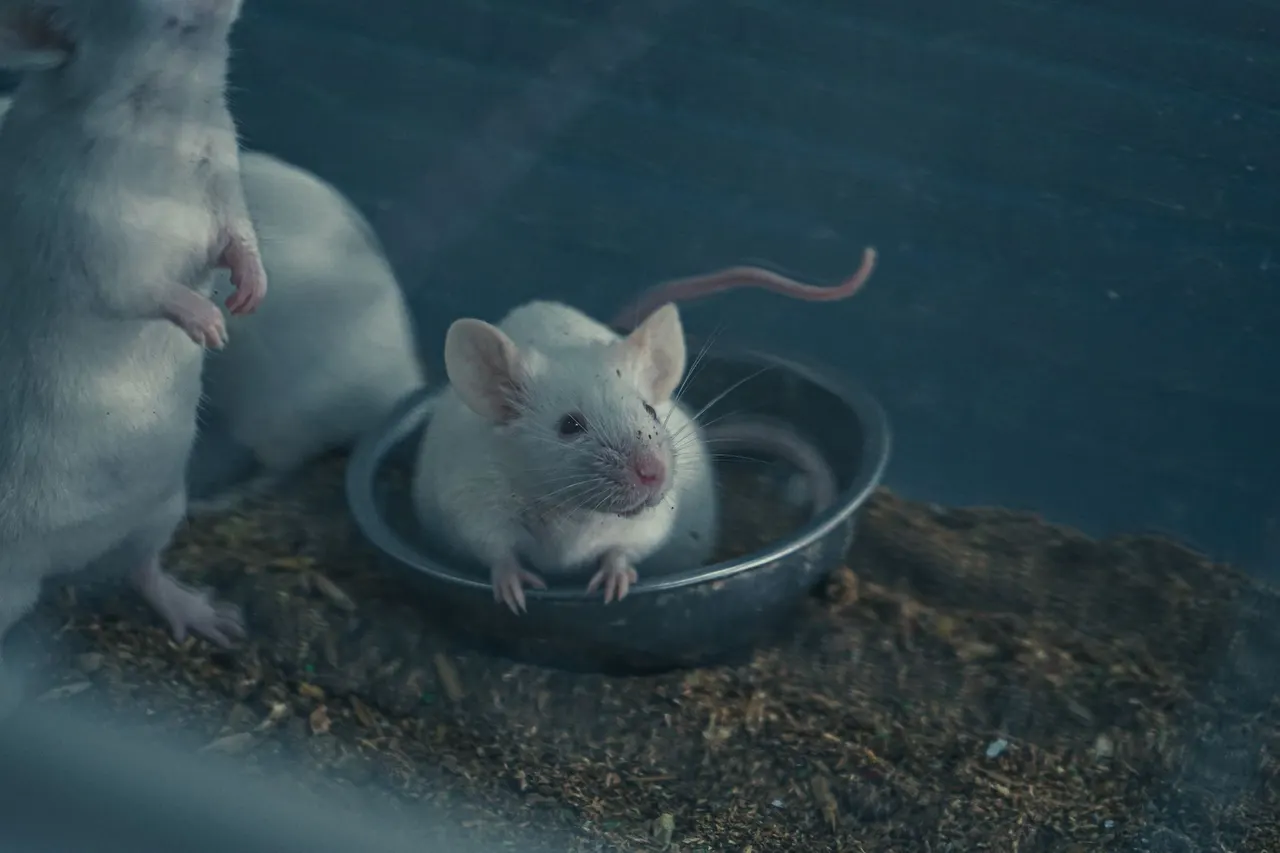
Rats need a different approach than mice. They are bigger, smarter, and often live in sewers before moving indoors. We use heavier snap traps, larger bait stations, and targeted rodenticide bait blocks. Fort Lee rat jobs usually start in basements and garages.
View service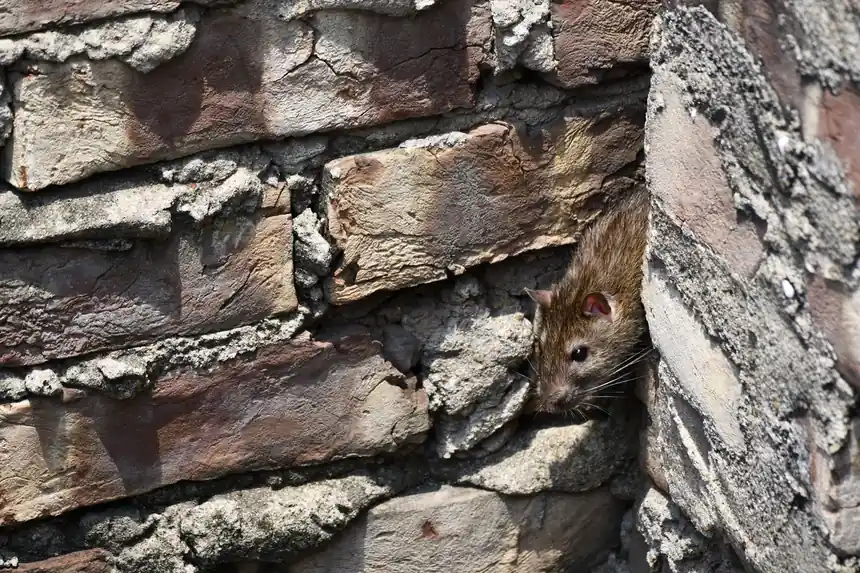
Call us any time, day or night, and a real person picks up. We book same-day appointments for most of Fort Lee and can usually give you an arrival window within a couple of hours. If you prefer, send an email and we will get back to you the same business day.